


Saucony
Peregrine 16 Running Shoe – Men's
$144.95
Free shipping
Free shipping on orders over $60
In-store pickup · Check our 4 Memphis-area stores
30-day returns, even if you've run in them
The Grivet Take
The Peregrine 16 is the biggest shift in the line in years. Saucony added 4mm of PWRRUN foam underfoot, swapped in a full Vibram Megagrip outsole with 4mm chevron lugs, and dropped the rock plate. The result is a softer, grippier trail shoe that still runs nimble on technical sections at a 4mm drop. We send this one home with neutral runners who want a versatile trail tool for daily training, mixed terrain, and long days in the mountains. Anyone who loved the firm, plated feel of the v15 should know the v16 reads as a different shoe. Runners chasing pure max cushion for ultra distance should still look at the Hoka Speedgoat 6.
Fit & Feel snapshot
Fit
LengthHow the shoe fits compared with true-to-size expectations.
True to size
Toe box widthHow much side-to-side room the shoe has across the front of the foot.3 of 5
NarrowWide
Toe box volumeHow much vertical room the shoe has above the toes.3 of 5
LowHigh
MidfootHow snug or roomy the shoe feels through the arch and laces.3 of 5
SnugRoomy
Heel holdHow securely the back of the shoe holds the heel.5 of 5
LooseLocked
Ride
CushionHow much material sits underfoot. This is about amount of cushioning, not how soft it feels.4 of 5
MinimalMaximal
SoftnessHow soft or firm the cushioning feels underfoot.4 of 5
FirmPlush
RockerHow much the shoe's shape rolls you forward through the step.3 of 5
FlatAggressive
ResponsivenessHow much pop or energy return the shoe feels like it gives back.3 of 5
DeadBouncy
Support
Support TypeSupport Type describes how much built-in guidance the shoe has. Neutral shoes do not add support structure. Stability shoes use geometry, rails, firmer foam, or frame designs to create a more guided feel. Motion control shoes are the maximum-support category and are rare in modern running.
Neutral
Stability
Motion Control
No added support structure
PlatformPlatform describes the width and shape of the shoe's base underfoot. A wider platform can feel steadier even when the shoe is neutral. This is separate from Support Type.
Standard platform
How it fits
Fits true to size for most runners. The toe box runs standard width with slightly more wiggle room than the Peregrine 15 without going wide. Midfoot holds securely; the upper wraps the foot well over uneven terrain. Heel hold is excellent thanks to a padded collar and semi-flexible heel counter. Available in Standard (D) and Wide (2E) for men's at Grivet. The 4mm drop sits low; runners coming from high-drop road shoes should expect a different geometry underfoot.
How it feels
Cushion reads higher and softer than the v15. The added PWRRUN foam protects on long descents without crossing into pillowy territory. Energy return is moderate; this is a daily trail trainer, not a propulsive shoe. The Vibram Megagrip outsole with 4mm chevron lugs grips wet rock, mud, and loose dirt as reliably as anything in the category. Without the rock plate, the forefoot flexes over uneven terrain and gives back ground feel that taller stacks usually wash out. Platform is standard trail width, stable through technical sections without going wide-base.
Quick specs
- Category
- Long run trainer
- Surface
- Smooth trail · Mixed terrain · Technical trail · Wet terrain · Mud
- Heel stackHow much shoe sits between your foot and the ground.
- 32.0 mm
- Forefoot stack
- 28.0 mm
- DropThe difference between heel height and forefoot height, measured in millimeters.
- 4.0 mm
- Weight (men's 9)
- 9.5 oz · 271 g
- CushionHow much material sits underfoot. This is about amount of cushioning, not how soft it feels.
- 4 / 5
- Support TypeSupport Type describes how much built-in guidance the shoe has. Neutral shoes do not add support structure. Stability shoes use geometry, rails, firmer foam, or frame designs to create a more guided feel. Motion control shoes are the maximum-support category and are rare in modern running.
- Neutral
- PlatformPlatform describes the width and shape of the shoe's base underfoot. A wider platform can feel steadier even when the shoe is neutral. This is separate from Support Type.
- Standard platform
- Midsole
- PWRRUN
- Outsole
- Vibram Megagrip with Traction Lug (4mm chevron lugs)
- PlateA stiff layer, usually carbon, nylon, or TPU, built into some shoes to add structure, snap, or propulsion.
- No
- WidthsThe width options this shoe is made in. Actual availability depends on current inventory.
- D · 2E
Tech, translated
PWRRUN is Saucony's standard EVA-blend midsole foam, tuned softer in the v16 with 4mm more stack than the Peregrine 15.
Vibram Megagrip with Traction Lug is the new outsole, a major upgrade from the Peregrine 15's PWRTRAC. The 4mm chevron lugs and sticky rubber compound grip wet rocks, mud, and loose terrain reliably.
No rock plate in the v16. The shoe flexes naturally through the forefoot and lets the lugs do the protection work.
The Peregrine 16 is the standard non-waterproof version. Saucony also offers a Peregrine 16 GTX with GORE-TEX for wet-weather running.
What changed from the previous version
Stack heights jump 4mm (32mm heel / 28mm forefoot, up from 28/24 on the Peregrine 15) for a softer, taller ride. The outsole moves from PWRTRAC to full Vibram Megagrip with 4mm chevron lugs, the headline upgrade for wet rock and loose terrain. The integrated rock plate is gone in the v16; the shoe flexes naturally over uneven ground. The upper drops the v15's 360-degree rand and opens up the toe box slightly without losing midfoot hold. Drop stays at 4mm.
Frequently asked
Does the Saucony Peregrine 16 run true to size?
Yes, the Peregrine 16 runs true to size for most runners. The toe box opens up slightly compared to the Peregrine 15, with a touch more wiggle room across the forefoot without giving up midfoot hold. The heel locks in securely thanks to a padded collar and semi-flexible heel counter. Standard (D) and Wide (2E) are stocked for men's at Grivet.
What changed from the Saucony Peregrine 15?
The Peregrine 16 adds 4mm of PWRRUN foam underfoot (32mm heel / 28mm forefoot, up from 28/24 on the v15) for a softer, taller ride. The outsole swaps PWRTRAC for full Vibram Megagrip with 4mm chevron lugs, a meaningful upgrade for wet rock and loose terrain. The integrated rock plate is gone in the v16; the shoe flexes naturally over uneven ground. Drop stays at 4mm.
How does the Saucony Peregrine 16 compare to the Hoka Speedgoat 6?
Both are versatile trail shoes that handle technical terrain. The Peregrine 16 is lower-stacked with a 4mm drop and runs more agile on technical sections; the Speedgoat 6 sits taller with more cushion and a more pronounced rocker. Pick the Peregrine 16 for daily and mid-distance trail miles with strong grip on wet rock. Pick the Speedgoat 6 for ultra-distance protection and a softer underfoot platform.
Is the Saucony Peregrine 16 firm or soft underfoot?
The Peregrine 16 reads soft for a trail shoe, noticeably softer than the v15. The additional PWRRUN foam adds protection underfoot without crossing into pillowy territory. Without the rock plate, the forefoot flexes more naturally over uneven ground. Runners who preferred the firmer, more direct feel of the Peregrine 15 should know this is a different ride.
Is the Saucony Peregrine 16 good for rocky or technical trails?
Yes. The Vibram Megagrip outsole with 4mm chevron lugs grips wet rock, loose dirt, and steep descents reliably. The 4mm drop and stable platform keep the foot connected through uneven terrain. Without the rock plate, the forefoot flexes naturally over rocks and roots; runners who want more underfoot armor on sharp rocks may miss the v15's plate.
Does the Saucony Peregrine 16 grip well in mud or wet conditions?
Yes. The Vibram Megagrip outsole and 4mm chevron lugs perform well in mud, on wet rocks, and on loose terrain. This is a major upgrade over the Peregrine 15's PWRTRAC outsole and is the headline reason to choose the v16. For very wet conditions, Saucony also offers a Peregrine 16 GTX with GORE-TEX waterproofing.
Compare it toSimilar shoes or common alternatives, with the key fit and ride differences called out.
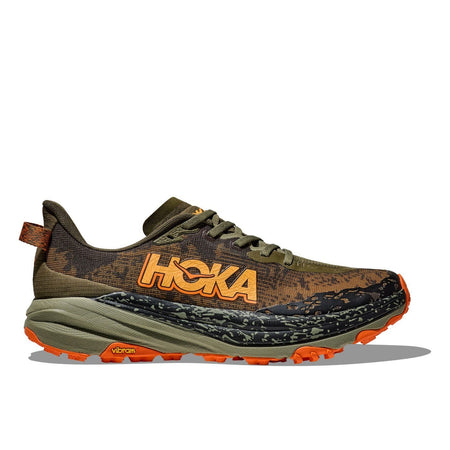
Hoka Speedgoat 6
Choose the Peregrine 16 if you want a lower 4mm drop, agile feel on technical sections, and Vibram Megagrip with chevron lugs. Choose the Speedgoat 6 for Hoka's max-cushion mountain platform and more underfoot protection when ultra distance is the priority.
Compare Hoka Speedgoat 6 →
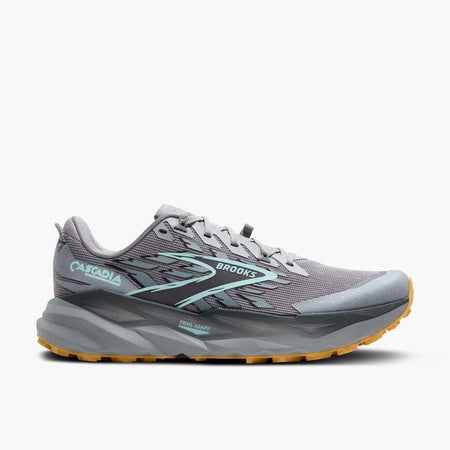
Brooks Cascadia 19
Choose the Peregrine 16 if you want 4mm chevron Vibram Megagrip lugs and a low 4mm drop tuned for technical and wet terrain. Choose the Cascadia 19 for nitrogen-infused DNA LOFT v3 cushioning, an articulated rock plate that flexes with terrain, and a 6mm drop platform for long daily trail miles.
Compare Brooks Cascadia 19 →
Saucony Endorphin Rift
Choose the Peregrine 16 for daily and long trail miles across mixed and technical terrain. Choose the Endorphin Rift for the lightweight performance trail option in the same Saucony family when speed days are the priority.
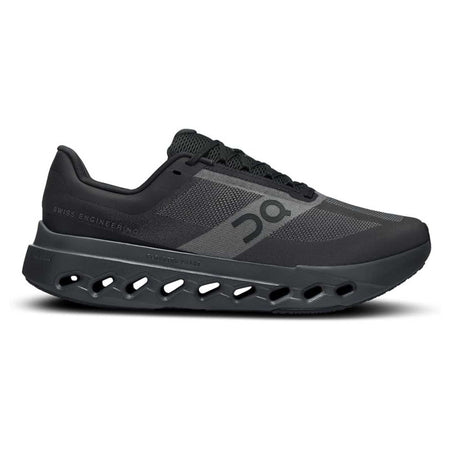
On Cloudsurfer Trail 2
Choose the Peregrine 16 for trail-first traction with 4mm chevron lugs at a low 4mm drop on technical and wet terrain. Choose the Cloudsurfer Trail 2 for On's CloudTec Phase rocker and Missiongrip rubber on smooth doubletrack and pavement-to-trail miles at an 8mm drop.
Compare On Cloudsurfer Trail 2 →

Buyer's guide
Read our trail running shoes guide
Lugs, rock plates, stack height, and fit for everything from gravel to technical singletrack.
Read the guide