


Hoka
Speedgoat 6 Running Shoe – Men's
$123.95
Free shipping
Free shipping on orders over $60
In-store pickup · Check our 4 Memphis-area stores
30-day returns, even if you've run in them
The Grivet Take
The Speedgoat 6 is the go-to flagship trail shoe for runners who want max cushion and the best traction Vibram makes, in a single package. Vibram Megagrip with Litebase grips wet rock, mud, and loose terrain at a level budget rubber can't match. The redesigned woven upper locks the foot in better than the v5 did, and Hoka shaved 11g off the v5 weight without losing the cushion stack. Best for technical trail runs, long mountain efforts, ultras, and anyone who has run wet rock and wished for more grip. Skip it if you want a fast, low-stack racer or a flexible shoe that lets you feel the ground; the Speedgoat insulates you from the trail by design.
Fit & Feel snapshot
Fit
LengthHow the shoe fits compared with true-to-size expectations.
True to size
Toe box widthHow much side-to-side room the shoe has across the front of the foot.3 of 5
NarrowWide
Toe box volumeHow much vertical room the shoe has above the toes.3 of 5
LowHigh
MidfootHow snug or roomy the shoe feels through the arch and laces.3 of 5
SnugRoomy
Heel holdHow securely the back of the shoe holds the heel.4 of 5
LooseLocked
Ride
CushionHow much material sits underfoot. This is about amount of cushioning, not how soft it feels.4 of 5
MinimalMaximal
SoftnessHow soft or firm the cushioning feels underfoot.3 of 5
FirmPlush
RockerHow much the shoe's shape rolls you forward through the step.4 of 5
FlatAggressive
ResponsivenessHow much pop or energy return the shoe feels like it gives back.3 of 5
DeadBouncy
Support
Support TypeSupport Type describes how much built-in guidance the shoe has. Neutral shoes do not add support structure. Stability shoes use geometry, rails, firmer foam, or frame designs to create a more guided feel. Motion control shoes are the maximum-support category and are rare in modern running.
Neutral
Stability
Motion Control
Neutral shoe with a wider, steadier base
PlatformPlatform describes the width and shape of the shoe's base underfoot. A wider platform can feel steadier even when the shoe is neutral. This is separate from Support Type.
Wider, steadier base
How it fits
Fits true to size for most trail runners. The new engineered woven upper is meaningfully more secure than the v5, with better midfoot lockdown and an updated heel cup. Toe box is moderate-to-rounded, comfortable for daily trail use without being sloppy. Available in Standard (D) and Wide (2E), which is welcome on a max-cushion shoe where wider feet can otherwise feel pinched. Out of the box the shoe runs stiff; expect 30 to 50 miles before the midsole softens to its long-term feel.
How it feels
Plush and rolling, with a meaningful break-in window. The Meta-Rocker geometry rolls the foot through toe-off so smoothly that long descents feel less aggressive than the stack height suggests. CMEVA cushion runs medium-soft once the shoe is broken in, but stays firm for the first month. Vibram Megagrip with Litebase is the headline: confident traction on dry rock, wet rock, mud, and loose dirt, with no slip in conditions where budget rubber compounds give up. Ground feel is intentionally minimal; this is a max-cushion trail shoe meant to insulate the foot from rocks and roots.
Quick specs
- Category
- Long run trainer
- Surface
- Smooth trail · Mixed terrain · Technical trail
- Heel stackHow much shoe sits between your foot and the ground.
- 33.0 mm
- Forefoot stack
- 28.0 mm
- DropThe difference between heel height and forefoot height, measured in millimeters.
- 5.0 mm
- Weight (men's 9)
- 10.3 oz · 292 g
- CushionHow much material sits underfoot. This is about amount of cushioning, not how soft it feels.
- 4 / 5
- Support TypeSupport Type describes how much built-in guidance the shoe has. Neutral shoes do not add support structure. Stability shoes use geometry, rails, firmer foam, or frame designs to create a more guided feel. Motion control shoes are the maximum-support category and are rare in modern running.
- Neutral
- PlatformPlatform describes the width and shape of the shoe's base underfoot. A wider platform can feel steadier even when the shoe is neutral. This is separate from Support Type.
- Wider, steadier base
- Midsole
- CMEVA
- Outsole
- Vibram Megagrip with Litebase
- PlateA stiff layer, usually carbon, nylon, or TPU, built into some shoes to add structure, snap, or propulsion.
- No
- WidthsThe width options this shoe is made in. Actual availability depends on current inventory.
- D · 2E
Tech, translated
Vibram Megagrip with Litebase: the gold-standard sticky-rubber compound for trail use, paired with a thinner Litebase carrier that cuts outsole weight without giving up grip. Speedgoat 6 lugs are 5mm in a multi-directional configuration, which works on rock, mud, and mixed surfaces. Wet-rock performance is the differentiator and the reason this shoe is the category default for technical trail.
CMEVA midsole: Hoka's compressed-EVA platform that defines the brand's signature pillowy ride. Tuned firmer in the Speedgoat 6 than in the road-running Bondi to maintain stability on uneven terrain.
Meta-Rocker geometry: Hoka's signature rocker shape rolls the foot forward through toe-off, reducing the work the calf does to drive each stride. With the high stack, the result is a smooth, fatigue-resistant feel on long efforts where flatter shoes would beat up the legs.
Engineered woven upper: the v6's biggest upper change. Replaces the v5 mesh with a tighter weave that holds the foot more securely on technical descents and lateral cuts.
What changed from the previous version
The Speedgoat 6 keeps Vibram Megagrip with Litebase but moves to a wholly redesigned engineered woven upper for better lockdown and durability, drops 11g vs the v5 in size 10, and refines the midsole geometry for a slightly higher drop and a more rockered ride. Speedgoat 5 fans get the same iconic traction package with a more secure upper and lighter feel; the trade-off is a stiffer initial step-in that takes 30 to 50 miles to break in.
Frequently asked
Does the Hoka Speedgoat 6 run true to size?
Yes, the Speedgoat 6 fits true to size for most trail runners. The new engineered woven upper holds the foot more securely than the v5 mesh, with a slightly more locked-down midfoot. Toe box is moderate-to-rounded, comfortable for trail use and accommodating to high-volume forefeet without going sloppy. Available in Standard (D) and Wide (2E), so customers with wider feet have a real option here.
What changed from the Hoka Speedgoat 5?
The biggest changes are an upper redesign (engineered woven replaces the v5 mesh, with better lockdown and durability) and a weight cut of about 11g in size 10. Vibram Megagrip with Litebase carries over unchanged. The midsole has been refined for a slightly higher drop and more rocker assist, but expect a 30 to 50 mile break-in window before the v6 softens to its long-term feel.
How does the Hoka Speedgoat 6 compare to the Saucony Peregrine 16?
Both share the Vibram Megagrip outsole now (the v15-to-v16 jump on the Saucony side closed the traction gap). The Speedgoat 6 is the max-cushion option at 33mm heel stack with aggressive Meta-Rocker; the Peregrine 16 is lighter and more flexible at a similar stack height. Choose the Speedgoat 6 for ultra distance, technical descents, and big mountain efforts where rocker and cushion pay off. Choose the Peregrine 16 for daily trail training and shorter trail races where lighter weight matters more.
Is the Hoka Speedgoat 6 firm or soft underfoot?
Medium-soft once broken in, but firm out of the box for the first 30 to 50 miles. The CMEVA midsole stiffens during shipping and softens with use, so the first few runs feel less plush than the long-term feel. After break-in the cushion sits between the soft Bondi family and firmer trail racers like the Tecton X. Customers who want pillowy from step one should look at the Bondi line; Speedgoat customers are usually fine waiting out the break-in for a more durable midsole.
Is the Hoka Speedgoat 6 good for rocky or technical trails?
Yes, this is the trail-shoe default for technical terrain. Vibram Megagrip with Litebase is the most confidence-inspiring outsole compound on the market for wet rock, dry rock, mud, and loose dirt. The 5mm multi-directional lug pattern works across surfaces without locking into one specialty. The high cushion stack absorbs impact from rock and root strikes, and the Meta-Rocker keeps the stride smooth on uneven ground. Trade-off: at 10.3 oz the Speedgoat is heavier than dedicated technical-trail racers, so very fast technical efforts may want a lighter option.
Does the Hoka Speedgoat 6 grip well in mud or wet conditions?
Yes, mud and wet grip are category leaders. Vibram Megagrip is the premium sticky rubber compound and works as well wet as dry, which is unusual; budget rubber compounds typically lose grip on wet rock and slick mud. The 5mm lug depth bites into loose mud well and sheds it reasonably between strides. For deep, sustained bog or peat conditions, deeper-lugged shoes (Inov-8 X-Talon, Salomon Speedcross) bite better; for mixed-condition trails that include wet rock, the Speedgoat 6 is the right answer.
Compare it toSimilar shoes or common alternatives, with the key fit and ride differences called out.

Saucony Peregrine 16
Choose the Speedgoat 6 if you want max cushion and rocker assist on long mountain efforts. Choose the Peregrine 16 if you want the same Vibram Megagrip grip in a lighter, more flexible package.
Compare Saucony Peregrine 16 →
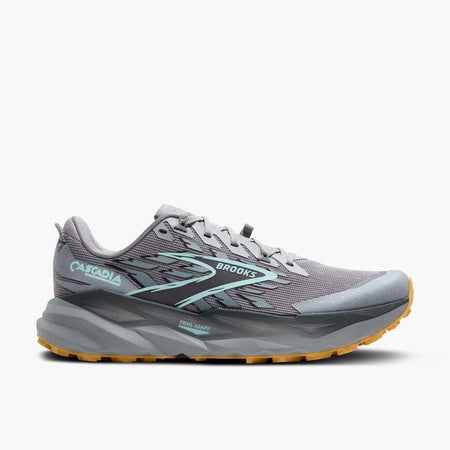
Brooks Cascadia 19
Choose the Speedgoat 6 if you want premium Vibram Megagrip and a higher cushion stack. Choose the Cascadia 19 if you want Brooks's articulated rock plate and a more traditional, grounded trail feel.
Compare Brooks Cascadia 19 →
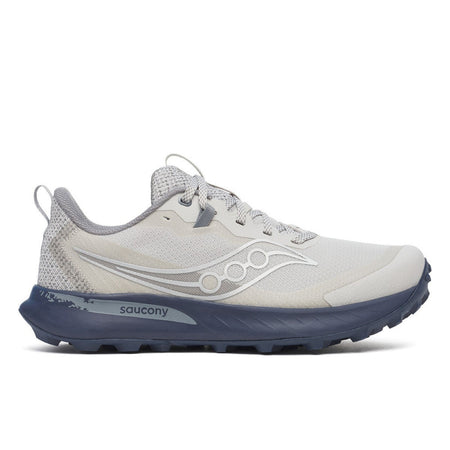
Saucony Peregrine 15
Choose the Speedgoat 6 if you want max cushion and Vibram Megagrip. Choose the Peregrine 15 if you want a lighter, lower-stack alternative at potential closeout pricing.
Compare Saucony Peregrine 15 →
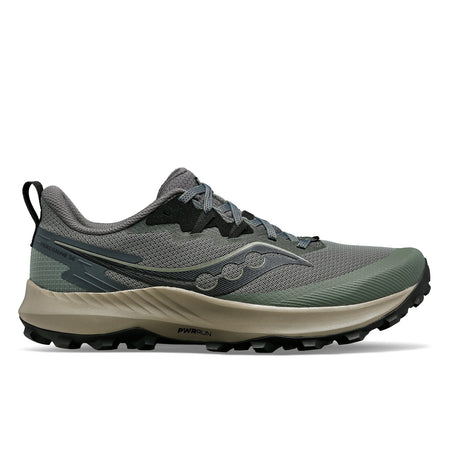
Saucony Peregrine 14
Choose the Speedgoat 6 if you want premium grip and protection. Choose the Peregrine 14 if you want a much lighter, more flexible budget alternative if technical terrain is rare.
Compare Saucony Peregrine 14 →

Buyer's guide
Read our trail running shoes guide
Lugs, rock plates, stack height, and fit for everything from gravel to technical singletrack.
Read the guide