
Backpacks
Backpacks for day hiking, multi-day backpacking, and travel. Brands carried include The North Face and Cotopaxi. Our staff can help you find the right fit by phone, chat, or in person at one of our stores. Free shipping on orders over $60.
21
items
Sale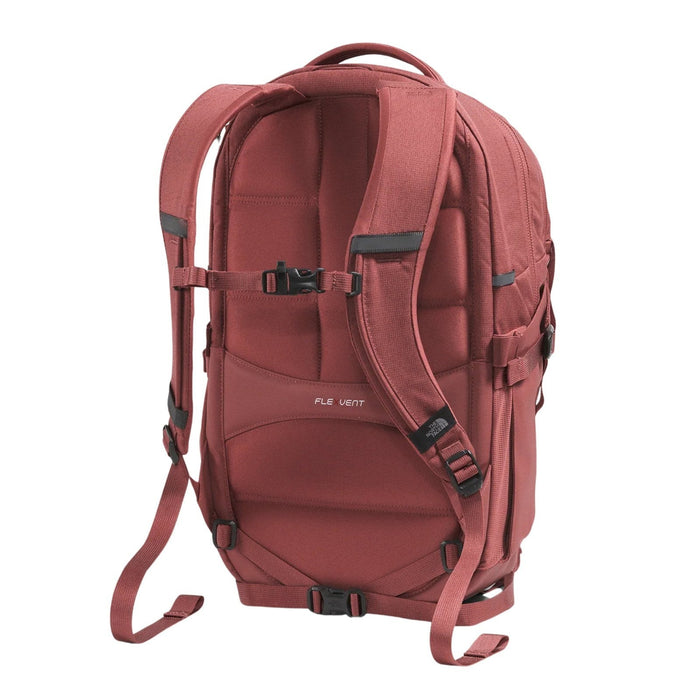


The North Face
Recon 30L Backpack – Women's
12 colors
$75.00$109.00
Sale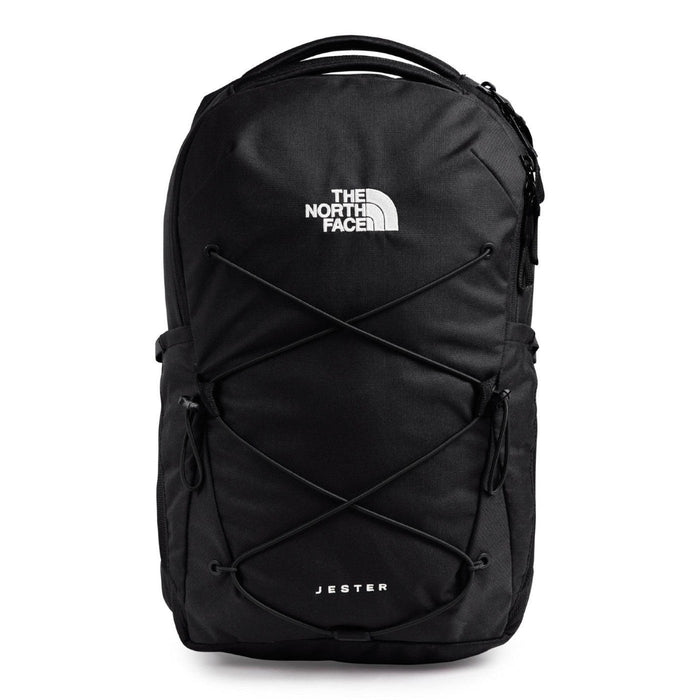


The North Face
Jester Backpack – Women's
20 colors
$59.99$74.95
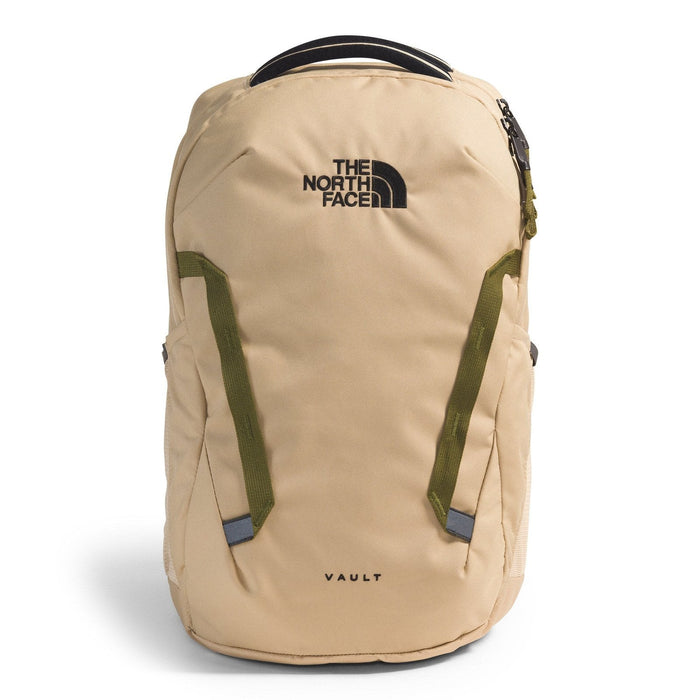


The North Face
Vault Backpack
13 colors
$53.50
Sale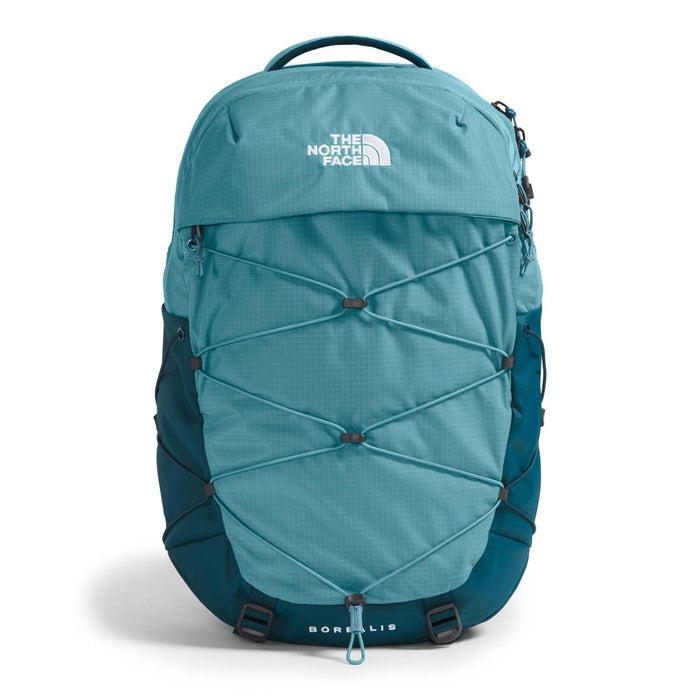


The North Face
Borealis Backpack – Women's
30 colors
$78.67$98.95
Sale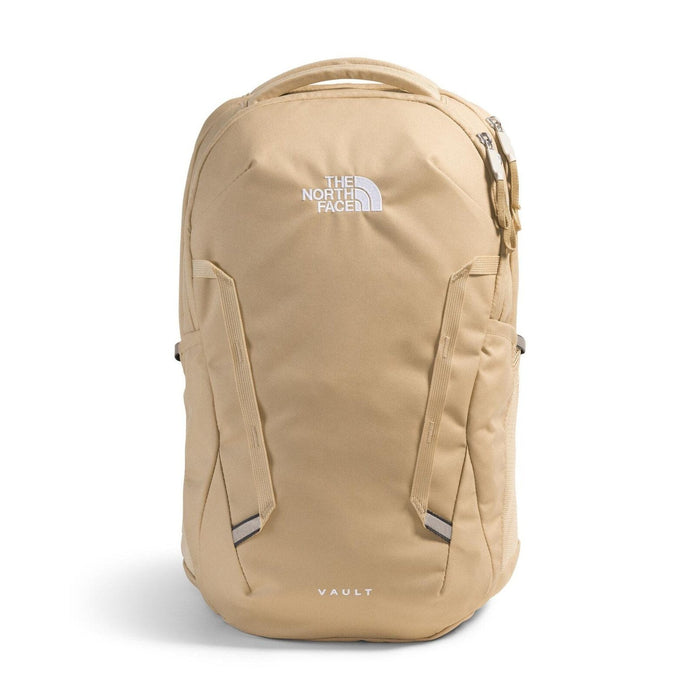


The North Face
Vault Backpack – Women's
12 colors
$54.99$65.00
Sale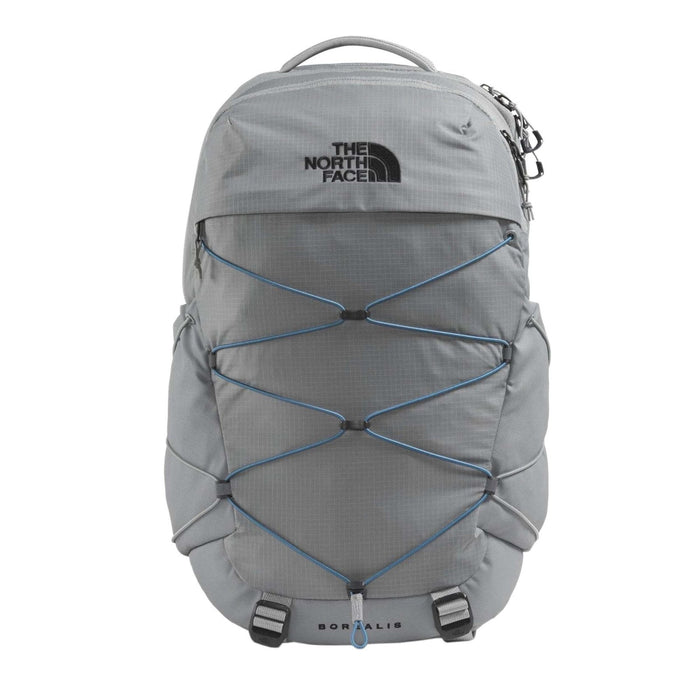


The North Face
Borealis Backpack
20 colors
$90.90$98.95
Sale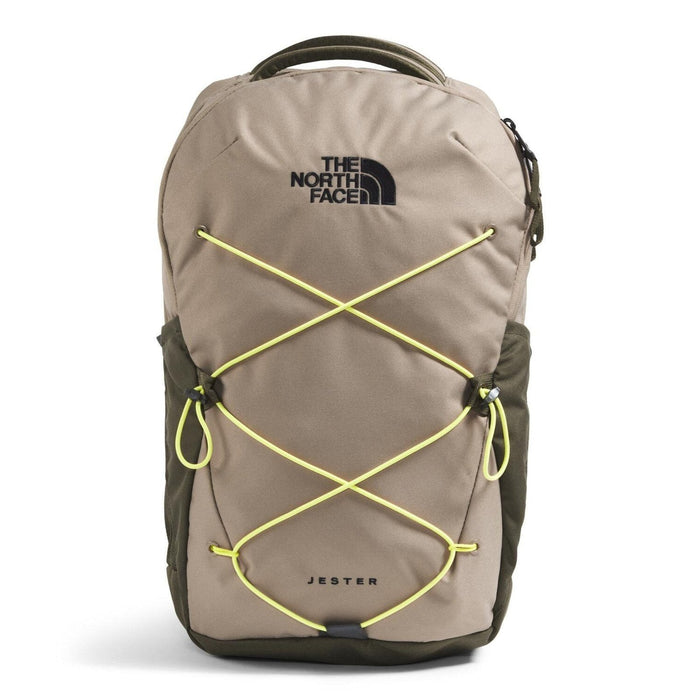


The North Face
Jester Everyday Laptop Backpack
18 colors
$54.00$74.95
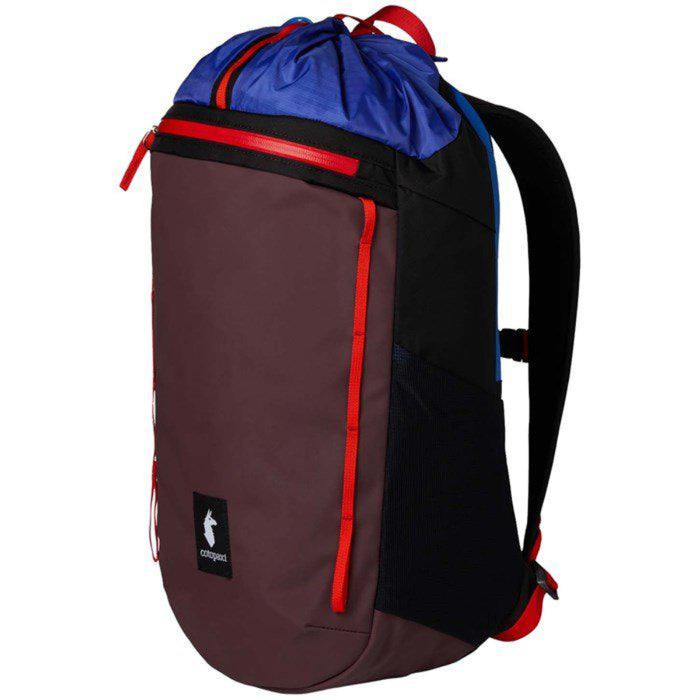

Cotopaxi
Moda 20L Backpack
7 colors
$69.00
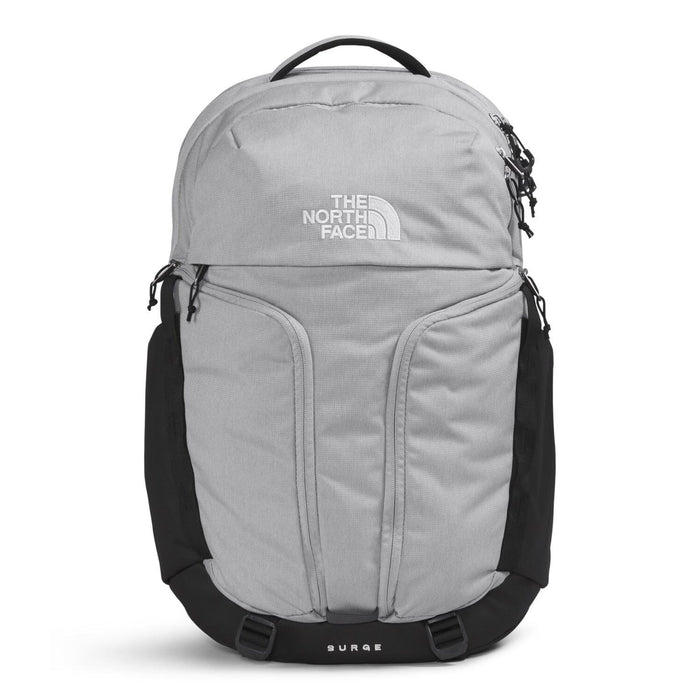


The North Face
Surge Backpack
7 colors
$103.50
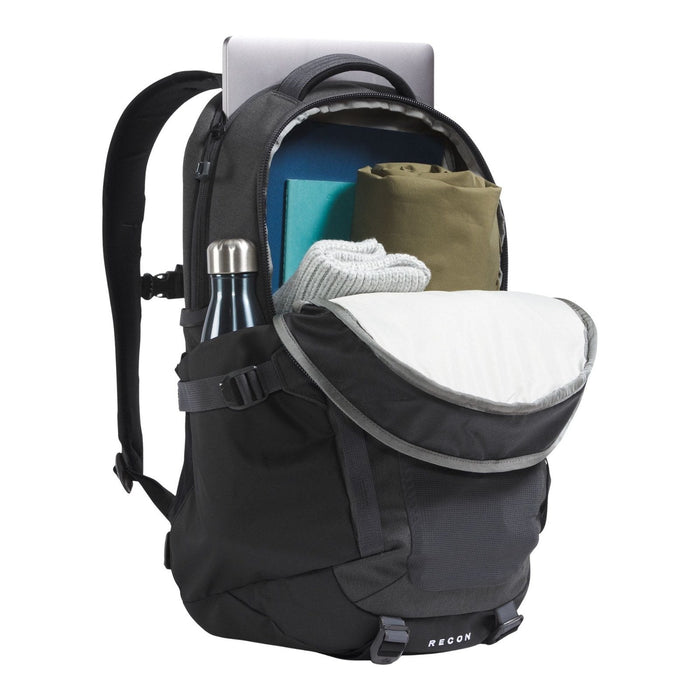


The North Face
Recon Backpack
11 colors
$86.43
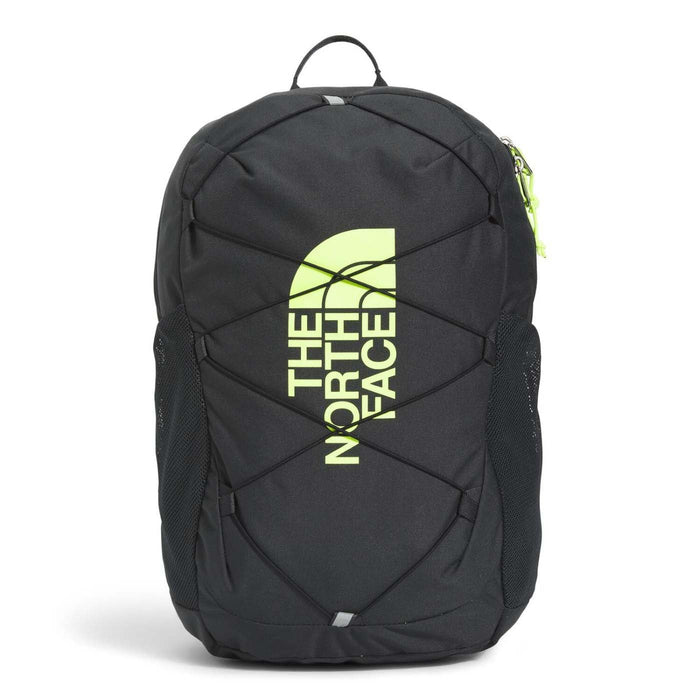


The North Face
Court Jester Backpack – Kids'
5 colors
$54.95
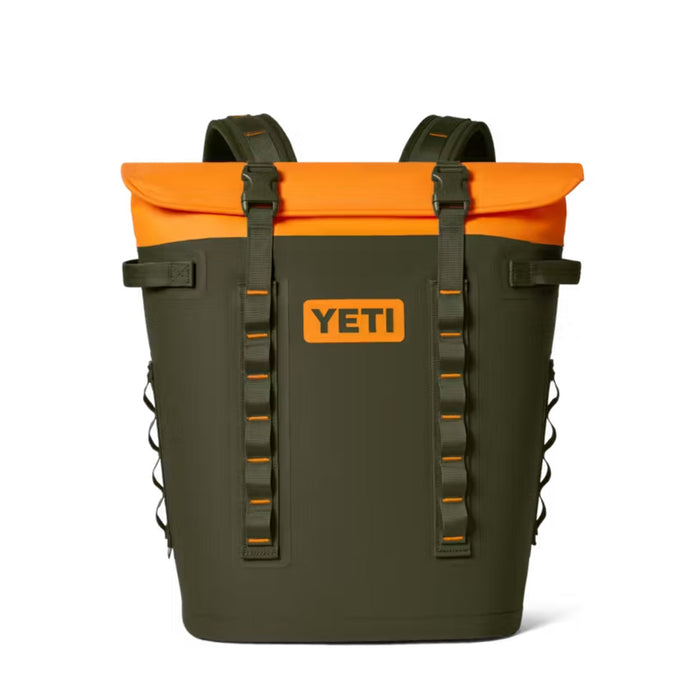


YETI
Hopper M20 Backpack Soft Cooler
7 colors
$325.00


The North Face
Youth Mini Recon Backpack – Kids'
2 colors
$45.00
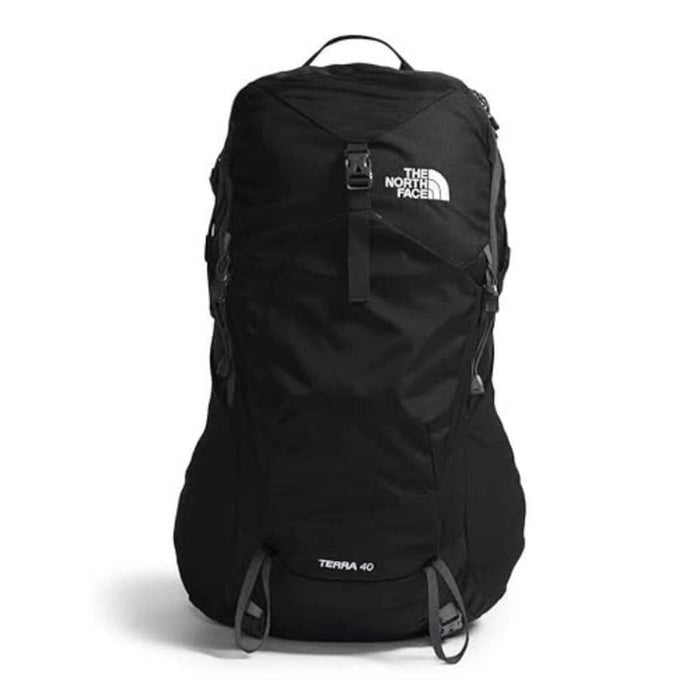
The North Face
Terra 40 Backpack
$170.00
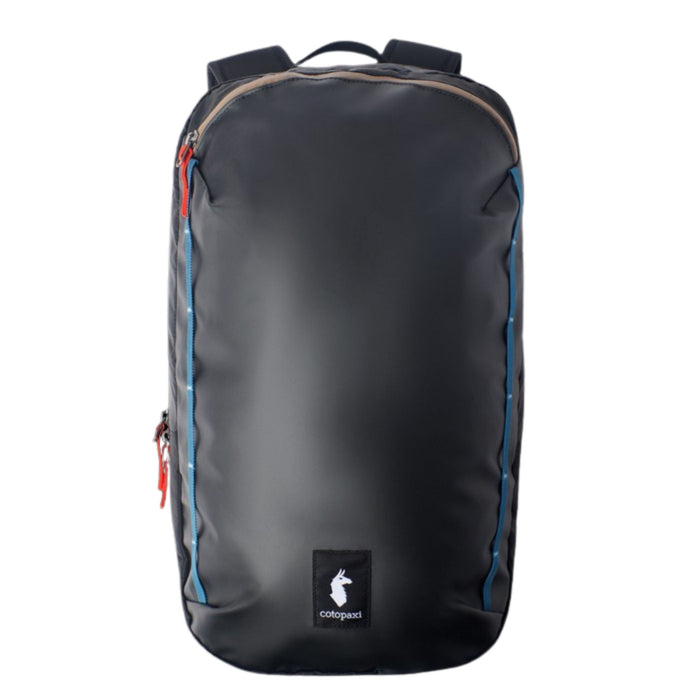
Cotopaxi
Vaya 18L Backpack
$109.95
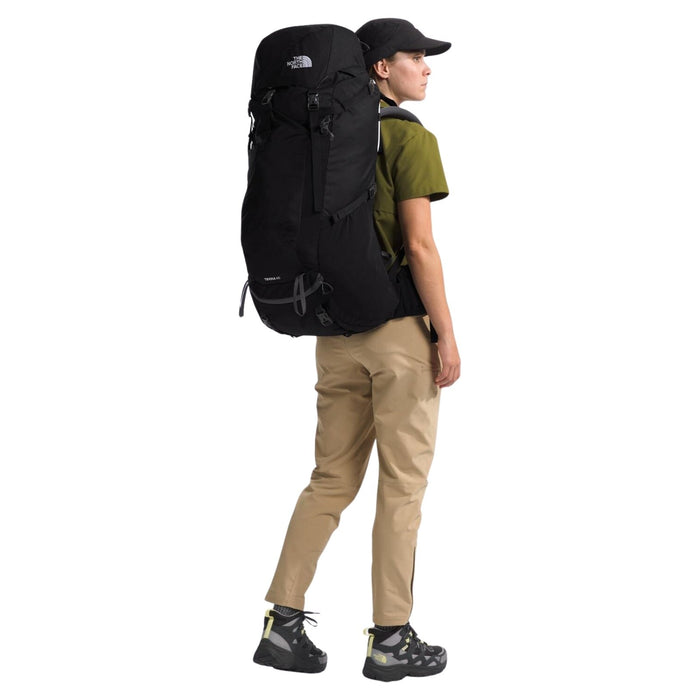
The North Face
Terra 65 Backpack
$210.00
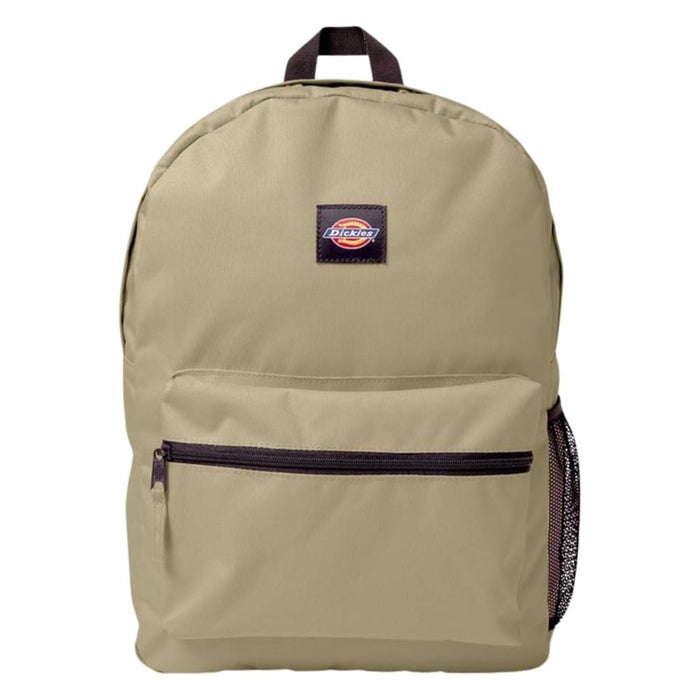


Dickies
Essential Backpack
3 colors
$29.95
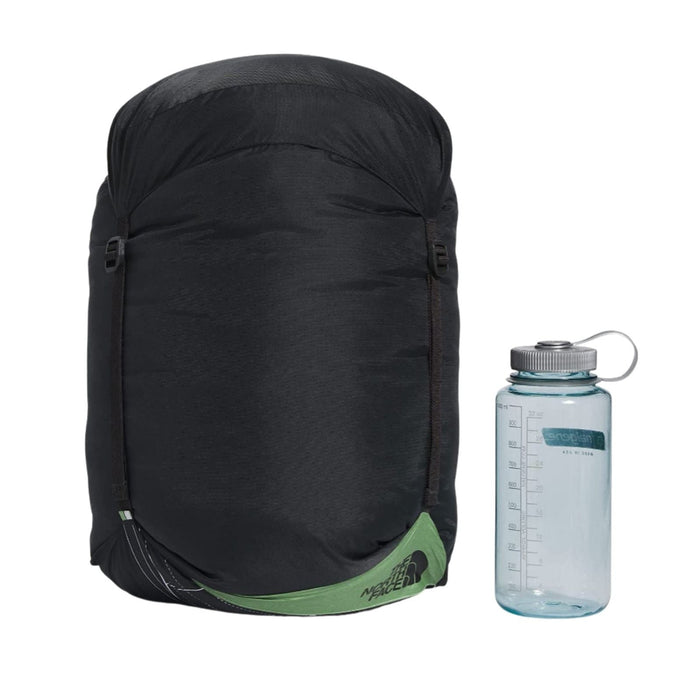
The North Face
Snow Leopard Sleeping Bag
$125.21
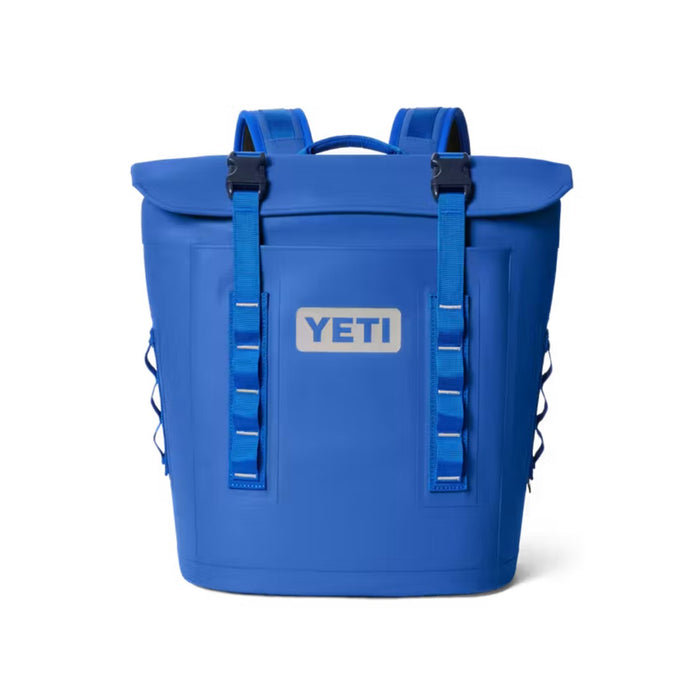

YETI
Hopper M12 Backpack Soft Cooler
2 colors
$275.00
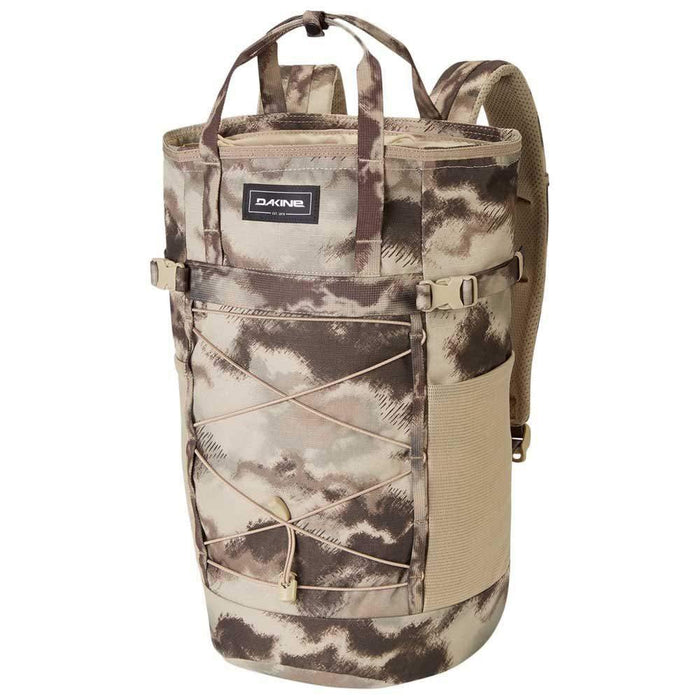
Dakine
Wndr Cinch Pack 21L Backpack - Unisex
$84.95
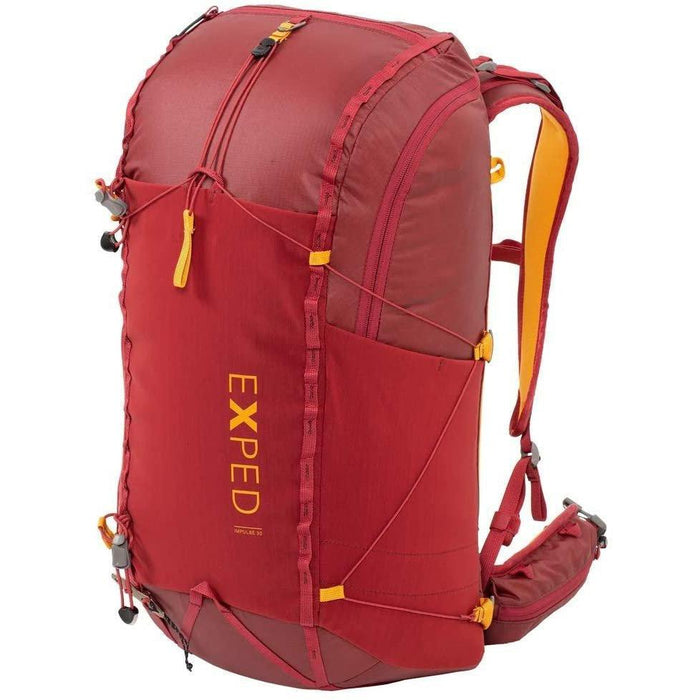

Exped
Impulse Backpack
3 colors
$139.00