


New Balance
Fresh Foam X 860v14 Running Shoe – Men's
$139.95
$139.99Free shipping
Free shipping on orders over $60
In-store pickup · Check our 4 Memphis-area stores
30-day returns, even if you've run in them
The Grivet Take
The 860v14 is New Balance's moderate-stability daily trainer with a real reset under the hood. The traditional firm medial post is gone, replaced by a dual-density Fresh Foam X setup and a thin EVA Stability Plane that guides without forcing the foot. Underfoot, the v14 reads moderately cushioned and grounded. It is best for newer runners stacking daily mileage, walkers logging long shifts, and anyone who wants steady support without a firm post jabbing the arch. Faster work belongs in a different shoe; the v14 is honest at easy and moderate paces and goes flat above that. Runners who specifically need a firm, aggressive post should look at the Brooks Adrenaline GTS 24 instead.
Fit & Feel snapshot
Fit
LengthHow the shoe fits compared with true-to-size expectations.
True to size
Toe box widthHow much side-to-side room the shoe has across the front of the foot.3 of 5
NarrowWide
Toe box volumeHow much vertical room the shoe has above the toes.3 of 5
LowHigh
MidfootHow snug or roomy the shoe feels through the arch and laces.3 of 5
SnugRoomy
Heel holdHow securely the back of the shoe holds the heel.4 of 5
LooseLocked
Ride
CushionHow much material sits underfoot. This is about amount of cushioning, not how soft it feels.4 of 5
MinimalMaximal
SoftnessHow soft or firm the cushioning feels underfoot.3 of 5
FirmPlush
RockerHow much the shoe's shape rolls you forward through the step.2 of 5
FlatAggressive
ResponsivenessHow much pop or energy return the shoe feels like it gives back.2 of 5
DeadBouncy
Support
Support TypeSupport Type describes how much built-in guidance the shoe has. Neutral shoes do not add support structure. Stability shoes use geometry, rails, firmer foam, or frame designs to create a more guided feel. Motion control shoes are the maximum-support category and are rare in modern running.
Neutral
Stability
Motion Control
Guided stability
PlatformPlatform describes the width and shape of the shoe's base underfoot. A wider platform can feel steadier even when the shoe is neutral. This is separate from Support Type.
Wider, steadier base
How it fits
Fits true to size for most runners. The engineered mesh upper is roomier through the forefoot than recent New Balance daily trainers, with standard vertical volume; runners with very narrow feet may want to lace down a notch through the midfoot. A small share of testers found the shoe ran slightly long, so runners between sizes can consider going down a half size. Midfoot lockdown is reliable, and heel hold is secure with a structured counter and well-padded collar. Available in D (standard), 2E (wide), and 4E (extra wide) for men, which makes this one of the easier daily trainers to fit wider forefeet.
How it feels
Cushion is moderate-to-plush and balanced, with a soft top layer of Fresh Foam X sitting over a firmer support foam on the medial side. The shoe runs grounded rather than bouncy, with a thin EVA Stability Plane keeping the platform steady through landing and toe-off. Rocker is present but quiet, so the foot rolls forward smoothly without the pronounced lift of a Hoka. Heel transition is soft, and the forefoot flexes naturally through toe-off rather than snapping. This shoe protects on daily miles and supports newer runners through long efforts. It does not propel, and it feels heavy on faster days.
Quick specs
- Category
- Daily trainer
- Surface
- Pavement · Treadmill · Road plus light trail
- Heel stackHow much shoe sits between your foot and the ground.
- 38.0 mm
- Forefoot stack
- 30.0 mm
- DropThe difference between heel height and forefoot height, measured in millimeters.
- 8.0 mm
- Weight (men's 9)
- 10.5 oz · 298 g
- CushionHow much material sits underfoot. This is about amount of cushioning, not how soft it feels.
- 4 / 5
- Support TypeSupport Type describes how much built-in guidance the shoe has. Neutral shoes do not add support structure. Stability shoes use geometry, rails, firmer foam, or frame designs to create a more guided feel. Motion control shoes are the maximum-support category and are rare in modern running.
- Stability
- PlatformPlatform describes the width and shape of the shoe's base underfoot. A wider platform can feel steadier even when the shoe is neutral. This is separate from Support Type.
- Wider, steadier base
- Midsole
- Fresh Foam X
- Outsole
- Rubber
- PlateA stiff layer, usually carbon, nylon, or TPU, built into some shoes to add structure, snap, or propulsion.
- No
- WidthsThe width options this shoe is made in. Actual availability depends on current inventory.
- D · 2E · 4E
Tech, translated
Fresh Foam X is New Balance's EVA-blend midsole foam, used in a dual-density layout on the v14. A softer top layer handles comfort and impact, and a firmer foam on the medial side adds support without the harshness of a traditional post.
Stability Plane Technology is a thin EVA film that sits inside the midsole, running full length at the heel and tapering along the medial side through the midfoot and forefoot. It keeps the platform steady through landing without locking the foot into a corrected position. Reviewers across multiple sources flagged this as the v14's defining structural change.
Rubber outsole coverage is more generous than the v13 and uses a flat lugged pattern that holds up over high-mileage daily use on pavement. There is no plate. The forefoot flexes through dedicated grooves rather than rolling on a rigid structure.
Frequently asked
Does the New Balance Fresh Foam X 860v14 run true to size?
The 860v14 runs true to size for most runners. The forefoot is slightly roomier than recent New Balance daily trainers, and the midfoot holds well once laced. A small share of testers found the shoe ran a touch long, so runners between sizes who prefer a snug fit can consider sizing down a half. Available in D (standard), 2E (wide), and 4E (extra wide) for men, which gives most foot shapes a workable fit.
How does the New Balance 860v14 compare to the Brooks Adrenaline GTS 24?
Both are moderate-stability daily trainers built for easy and moderate-paced miles. The 860v14 uses a softer dual-density Fresh Foam X midsole with a thin EVA Stability Plane that guides quietly. The Adrenaline GTS 24 uses Brooks' GuideRails system, which feels firmer and more directly corrective. Pick the 860v14 for a plusher, less obtrusive support feel and wider width options; pick the Adrenaline if you want the firmer, more guided ride that the GTS line is known for.
Is the New Balance 860v14 firm or soft underfoot?
The 860v14 lands moderately soft. The top layer of Fresh Foam X reads plush at heel strike, and the firmer support foam on the medial side keeps the ride from sinking. It is softer than the v13 and softer than most traditional stability shoes, but not in max-cushion territory. Runners who specifically want a firm, supportive feel should look at the Brooks Adrenaline GTS 24 instead.
Is the New Balance 860v14 good for wide feet?
Yes. The 860v14 comes in D (standard), 2E (wide), and 4E (extra wide) for men, which is broader than most competing stability trainers. The standard width also runs slightly roomier through the forefoot than recent New Balance models. Runners with very wide forefeet should size up to the 2E or 4E for the most comfortable long-mileage fit.
Is the New Balance 860v14 good for treadmill running?
Yes. The full-coverage rubber outsole provides reliable traction on belt surfaces, and the moderate cushion handles the harder treadmill landing well. The 860v14 is on the heavier side at around 10.5 oz, so it is better suited to steady treadmill mileage and walking sessions than fast intervals. For uptempo treadmill work, look at a lighter daily trainer.
How is the support different from older stability shoes with a firm medial post?
The 860v14 replaces the firm medial post used in older 860 versions with two newer elements: a dual-density Fresh Foam X midsole (softer on top, firmer on the medial side) and a thin EVA Stability Plane that runs full length at the heel and tapers through the midfoot. The combined effect is support that comes from foam density and platform geometry rather than a hard wedge. Runners coming from older posted shoes usually describe the feel as steadier without the harsh shelf under the arch.
Compare it toSimilar shoes or common alternatives, with the key fit and ride differences called out.
Brooks Adrenaline GTS 24
Choose the 860v14 if you want softer cushion and a gentler approach to support via dual-density foam and a Stability Plane. Choose the Adrenaline GTS 24 if you want a firmer ride and the more directly guided feel of the Brooks GuideRails system.
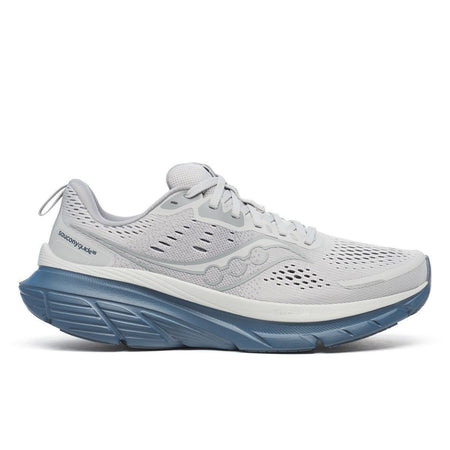
Saucony Guide 18
Choose the 860v14 if you want plusher cushion, wider width options up to 4E, and a more grounded daily ride. Choose the Guide 18 if you want a lighter stability trainer with a snappier feel at moderate paces.
Compare Saucony Guide 18 →
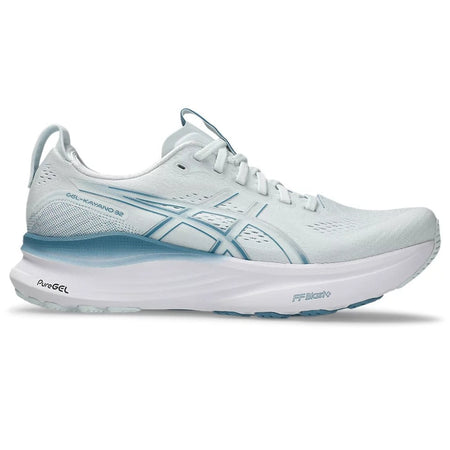
Asics Gel-Kayano 32
Choose the 860v14 if you want a lower-stack, flatter daily trainer with classic New Balance fit options. Choose the Kayano 32 if you want a max-cushion stability shoe with a more pronounced rocker for longer efforts.
Compare Asics Gel-Kayano 32 →

Hoka Arahi 8
Choose the 860v14 if you want a flexible forefoot and a grounded ride that bends naturally through toe-off. Choose the Arahi 8 if you want a more pronounced rocker doing most of the work and a lighter overall package.
Compare Hoka Arahi 8 →

Buyer's guide
Read our stability vs neutral guide
How to tell which one you need, what's changed in modern stability design, and the brands that do each best.
Read the guide