


Saucony
Guide 18 Running Shoe – Men's
$108.36
Free shipping
Free shipping on orders over $60
In-store pickup · Check our 4 Memphis-area stores
30-day returns, even if you've run in them
The Grivet Take
The Guide 18 is Saucony's understated stability daily trainer, built around CenterPath geometry rather than a traditional medial post. PWRRUN underfoot reads moderately cushioned and comfortably firm, with a pronounced rocker that rolls the foot through toe-off without ever feeling bouncy. This is the right shoe for runners who want guided support that stays out of the way: daily mileage, long efforts at easy pace, and walkers who want a stability platform without the corrective feel of older posted designs. Faster paces are not its territory; the foam protects more than it propels. Runners chasing a modern responsive stability ride should look at the Tempus 2 within the same Saucony line.
Fit & Feel snapshot
Fit
LengthHow the shoe fits compared with true-to-size expectations.
True to size
Toe box widthHow much side-to-side room the shoe has across the front of the foot.4 of 5
NarrowWide
Toe box volumeHow much vertical room the shoe has above the toes.3 of 5
LowHigh
MidfootHow snug or roomy the shoe feels through the arch and laces.3 of 5
SnugRoomy
Heel holdHow securely the back of the shoe holds the heel.4 of 5
LooseLocked
Ride
CushionHow much material sits underfoot. This is about amount of cushioning, not how soft it feels.4 of 5
MinimalMaximal
SoftnessHow soft or firm the cushioning feels underfoot.3 of 5
FirmPlush
RockerHow much the shoe's shape rolls you forward through the step.4 of 5
FlatAggressive
ResponsivenessHow much pop or energy return the shoe feels like it gives back.2 of 5
DeadBouncy
Support
Support TypeSupport Type describes how much built-in guidance the shoe has. Neutral shoes do not add support structure. Stability shoes use geometry, rails, firmer foam, or frame designs to create a more guided feel. Motion control shoes are the maximum-support category and are rare in modern running.
Neutral
Stability
Motion Control
Guided stability
PlatformPlatform describes the width and shape of the shoe's base underfoot. A wider platform can feel steadier even when the shoe is neutral. This is separate from Support Type.
Wider, steadier base
How it fits
Fits true to size for most runners. Toe box runs roomier than typical road shoes with comfortable splay room and adequate vertical volume; the v18 opened up slightly versus the Guide 17. Midfoot is normal width with a secure, well-held wrap from the engineered mesh upper. Heel hold is excellent thanks to a partially rigid counter and well-padded collar. Available in standard (D) only for men's at Grivet. Customer reviews consistently flag a thin upper that breathes well but raises questions about long-term durability for runners logging high weekly mileage.
How it feels
Cushion is high-stack but comfortably firm rather than soft. The PWRRUN midsole protects on landing without sinking, and a PWRRUN+ sockliner adds a layer of direct underfoot give. The pronounced rocker carries the ride through toe-off with a rolling rather than bouncy feel; the foam itself does not give much energy back. CenterPath stability shows up as a wider base with raised sidewalls and subtle medial support, gentler than the medial-post designs on older stability shoes. Forefoot is on the stiffer side. This is a daily, easy-pace shoe; pace it past tempo and the cushion starts to feel plodding.
Quick specs
- Category
- Daily trainer
- Surface
- Pavement · Treadmill
- Heel stackHow much shoe sits between your foot and the ground.
- 35.0 mm
- Forefoot stack
- 29.0 mm
- DropThe difference between heel height and forefoot height, measured in millimeters.
- 6.0 mm
- Weight (men's 9)
- 9.6 oz · 272 g
- CushionHow much material sits underfoot. This is about amount of cushioning, not how soft it feels.
- 4 / 5
- Support TypeSupport Type describes how much built-in guidance the shoe has. Neutral shoes do not add support structure. Stability shoes use geometry, rails, firmer foam, or frame designs to create a more guided feel. Motion control shoes are the maximum-support category and are rare in modern running.
- Stability
- PlatformPlatform describes the width and shape of the shoe's base underfoot. A wider platform can feel steadier even when the shoe is neutral. This is separate from Support Type.
- Wider, steadier base
- Midsole
- PWRRUN
- Outsole
- XT-900 carbon rubber
- PlateA stiff layer, usually carbon, nylon, or TPU, built into some shoes to add structure, snap, or propulsion.
- No
- WidthsThe width options this shoe is made in. Actual availability depends on current inventory.
- D
Tech, translated
PWRRUN is Saucony's standard EVA-blend midsole foam. Durable and protective, with moderate cushion and limited energy return; it is built for daily mileage rather than race-day pop. The PWRRUN+ sockliner adds a thin layer of softer foam directly under the foot for step-in comfort.
CenterPath Technology is Saucony's frame-based stability system. Instead of a denser medial post under the arch, the Guide 18 uses a wider platform, raised sidewalls, and rocker geometry to keep the foot tracking straight. The result is gentler than older posted stability shoes; runners who found posts too aggressive will likely prefer this approach.
XT-900 carbon rubber is the outsole compound. Grip on dry pavement is dependable; wet pavement traction is adequate but not the shoe's strongest feature. Coverage leaves portions of the midsole exposed to direct ground contact, which shows up as visible foam wear earlier than full-rubber outsoles.
Frequently asked
Does the Saucony Guide 18 run true to size?
The Guide 18 runs true to size for most runners. The forefoot opens up slightly versus the Guide 17 thanks to a redesigned upper, so customers who found previous Guides snug should notice more comfort in their normal size. Available in standard (D) width only for men's at Grivet; runners with very wide feet should check fit closely or size up.
How does the Saucony Guide 18 compare to the Brooks Adrenaline GTS 25?
Both are moderate-stability daily trainers in the same price band and at similar weight and cushion levels. The Guide 18 leans more rockered and stiffer through the forefoot, while the Adrenaline GTS 25 runs flatter with more forefoot flex. Stability mechanisms differ: CenterPath uses platform width and rocker geometry; GuideRails uses firmer rails along the sides. Pick the Guide 18 if a rolling toe-off appeals; pick the Adrenaline GTS 25 if a more familiar daily-neutral feel with subtle guidance fits better.
Is the Saucony Guide 18 firm or soft underfoot?
The Guide 18 is balanced, leaning slightly firm. PWRRUN foam protects on landing without the soft sink of a max-cushion shoe, and the PWRRUN+ sockliner adds a thin layer of direct underfoot give. The pronounced rocker carries the ride forward more than the foam itself. Runners who want a plush, sinking-feel stability shoe should look at the Saucony Hurricane 24 instead.
Is the Saucony Guide 18 good for wide feet?
The standard (D) toe box runs roomier than typical road shoes, with comfortable splay room and adequate vertical volume. The v18 opened up slightly versus the Guide 17. Saucony does not offer a Wide variant in men's for this model, so runners with very wide forefeet may need to test fit before committing or look at a different Saucony stability option that does come in wider widths.
Is the Saucony Guide 18 good for treadmill running?
Yes. Saucony lists treadmill among the intended uses, and the XT-900 carbon rubber outsole provides reliable traction on belt surfaces. The moderate cushion absorbs the harder treadmill landing well and the rocker geometry suits steady-paced treadmill miles. Lighter trainers exist for fast treadmill workouts; the Guide 18 is the steady daily-mileage option.
How long does the Saucony Guide 18 outsole hold up over high mileage?
The XT-900 carbon rubber outsole is durable on covered sections, but the Guide 18 leaves portions of the midsole exposed at the heel and forefoot. Customer reviews consistently note visible wear on those exposed foam zones earlier than full-rubber outsoles, sometimes within the first 50 to 100 miles. The rest of the shoe holds up well, and most customers report comfort and ride character staying consistent through the typical 300-to-400-mile lifespan; the cosmetic foam wear appears earlier than the functional end of life.
How is CenterPath stability different from a traditional medial-post stability shoe?
Traditional stability shoes use a denser foam wedge under the medial arch to physically resist inward foot motion; runners often describe this as a corrective or controlling feel. CenterPath skips the medial post and instead builds stability through a wider platform, raised midfoot sidewalls, and rocker geometry that keeps the foot tracking straight. The result is subtler and rides more like a wide-base neutral shoe with gentle guidance. Runners who found older posted stability shoes too aggressive or corrective will likely prefer this approach.
Compare it toSimilar shoes or common alternatives, with the key fit and ride differences called out.
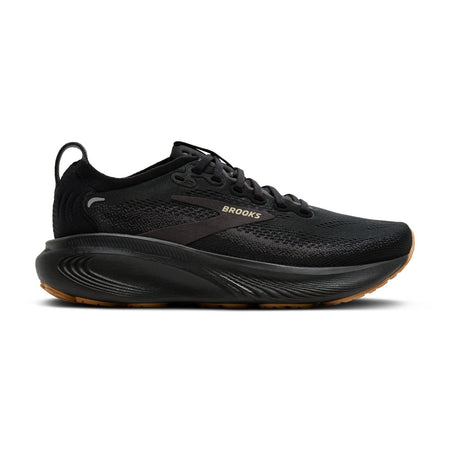
Brooks Adrenaline GTS 25
Choose the Guide 18 if you want a more rockered ride and a stiffer forefoot that carries you through toe-off. Choose the Adrenaline GTS 25 if you want a flatter, more flexible daily trainer with the GuideRails approach to stability.
Compare Brooks Adrenaline GTS 25 →

Hoka Arahi 8
Choose the Guide 18 if you want a firmer ride with subtle medial guidance and a stable wider base. Choose the Arahi 8 if you want a softer, bouncier underfoot feel and Hoka's signature aggressive rocker.
Compare Hoka Arahi 8 →
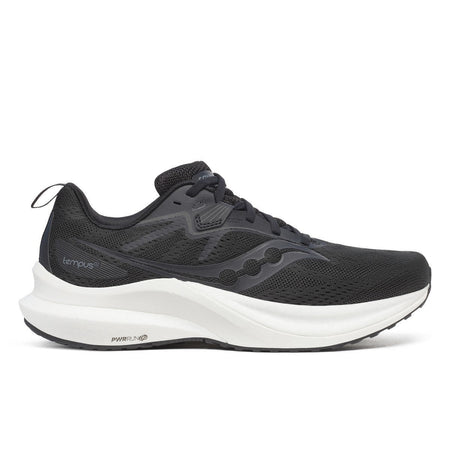
Saucony Tempus 2
Choose the Guide 18 if you want the traditional cushioned stability daily trainer at a daily-trainer price. Choose the Tempus 2 if you want a lighter, more responsive modern stability shoe that picks up the pace at tempo.
Compare Saucony Tempus 2 →
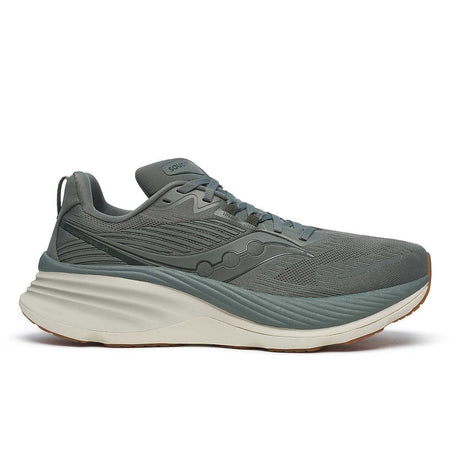
Saucony Hurricane 24
Choose the Guide 18 if you want moderate cushion and gentler stability for daily mileage. Choose the Hurricane 24 if you want a max-cushion stability platform and a longer-mileage long-run partner.
Compare Saucony Hurricane 24 →

Buyer's guide
Read our stability vs neutral guide
How to tell which one you need, what's changed in modern stability design, and the brands that do each best.
Read the guide