


Hoka
Challenger 8 Running Shoe – Men's
$154.95
Free shipping
Free shipping on orders over $60
In-store pickup · Check our 4 Memphis-area stores
30-day returns, even if you've run in them
The Grivet Take
The Challenger 8 is Hoka's road-to-trail hybrid with a 31mm balanced stack, 8mm drop, and multi-directional 4mm lug pattern. The compression-molded EVA midsole delivers moderate cushion suited to mixed terrain; the lug pattern grips on smooth trails and gravel without being aggressive enough to feel awkward on pavement transitions. This is a do-everything daily trail shoe that crosses over to road; runners who run mostly on smooth trails and pavement will find this one of the best single-shoe options in the Hoka line. Cross-shop with Hoka Speedgoat 6 for technical trails and Brooks Cascadia 19 for similar hybrid character.
Fit & Feel snapshot
Fit
LengthHow the shoe fits compared with true-to-size expectations.
True to size
Toe box widthHow much side-to-side room the shoe has across the front of the foot.3 of 5
NarrowWide
Toe box volumeHow much vertical room the shoe has above the toes.3 of 5
LowHigh
MidfootHow snug or roomy the shoe feels through the arch and laces.3 of 5
SnugRoomy
Heel holdHow securely the back of the shoe holds the heel.4 of 5
LooseLocked
Ride
CushionHow much material sits underfoot. This is about amount of cushioning, not how soft it feels.4 of 5
MinimalMaximal
SoftnessHow soft or firm the cushioning feels underfoot.3 of 5
FirmPlush
RockerHow much the shoe's shape rolls you forward through the step.3 of 5
FlatAggressive
ResponsivenessHow much pop or energy return the shoe feels like it gives back.2 of 5
DeadBouncy
Support
Support TypeSupport Type describes how much built-in guidance the shoe has. Neutral shoes do not add support structure. Stability shoes use geometry, rails, firmer foam, or frame designs to create a more guided feel. Motion control shoes are the maximum-support category and are rare in modern running.
Neutral
Stability
Motion Control
No added support structure
PlatformPlatform describes the width and shape of the shoe's base underfoot. A wider platform can feel steadier even when the shoe is neutral. This is separate from Support Type.
Wider, steadier base
How it fits
Fits true to size for most runners. Toe box runs standard width with the 3D screen-printed toe cap providing trail protection. Midfoot is normal width with a secure mesh upper wrap. Heel hold is excellent. Available in standard (D) and wide (2E) widths at Grivet for men's. Reflective details add visibility for early-morning and evening runs.
How it feels
Cushion is moderate-to-high at 31mm balanced stack. The compression-molded EVA midsole protects on landing without going pillowy; the rocker rolls the foot through toe-off. The 8mm drop runs traditional for a trail shoe and pairs well with runners coming from road shoes. The multi-directional 4mm lugs grip on smooth trails, gravel, and dirt without being aggressive enough to feel awkward on pavement transitions. Energy return is modest; this is a comfort-first hybrid trainer.
Quick specs
- Category
- Daily trainer
- Surface
- Smooth trail · Mixed terrain · Road to trail
- Heel stackHow much shoe sits between your foot and the ground.
- 31.0 mm
- Forefoot stack
- 23.0 mm
- DropThe difference between heel height and forefoot height, measured in millimeters.
- 8.0 mm
- Weight (men's 9)
- 9.9 oz · 281 g
- CushionHow much material sits underfoot. This is about amount of cushioning, not how soft it feels.
- 4 / 5
- Support TypeSupport Type describes how much built-in guidance the shoe has. Neutral shoes do not add support structure. Stability shoes use geometry, rails, firmer foam, or frame designs to create a more guided feel. Motion control shoes are the maximum-support category and are rare in modern running.
- Neutral
- PlatformPlatform describes the width and shape of the shoe's base underfoot. A wider platform can feel steadier even when the shoe is neutral. This is separate from Support Type.
- Wider, steadier base
- Midsole
- compression-molded EVA
- Outsole
- rubber
- PlateA stiff layer, usually carbon, nylon, or TPU, built into some shoes to add structure, snap, or propulsion.
- No
- WidthsThe width options this shoe is made in. Actual availability depends on current inventory.
- D · 2E
Tech, translated
The midsole uses compression-molded EVA, balanced between cushion and durability. The 31mm heel stack delivers moderate trail cushion; the 8mm drop pairs well with road runners moving onto trails.
The outsole uses durable rubber with multi-directional 4mm lugs designed for all-terrain traction. Lug depth is moderate; aggressive enough for smooth trails and gravel but not so deep that pavement transitions feel awkward.
The 3D screen-printed toe cap adds trail protection without the bulk of a traditional toe bumper. The 100% recycled PET engineered mesh upper provides breathability with sustainability.
Frequently asked
Does the Hoka Challenger 8 run true to size?
The Challenger 8 runs true to size for most runners. The toe box is standard width with a 3D screen-printed toe cap for trail protection. Available in standard (D) and wide (2E) widths at Grivet for men's. Runners between sizes can usually stay with their typical Hoka size.
Is the Hoka Challenger 8 firm or soft underfoot?
The Challenger 8 is balanced. The compression-molded EVA midsole protects on landing without going pillowy; the moderate cushion stack and rocker rolling create a smooth feel without sinking in. Runners who want a softer trail ride should look at the Hoka Speedgoat 6 instead.
How does the Hoka Challenger 8 grip in mud and on wet rock?
The 4mm multi-directional lugs grip reliably on dry trails, gravel, and mixed terrain. For wet rock and shallow mud the Challenger 8 handles fine but is not optimized for very technical conditions. Customers who frequently run in deep mud or on highly technical wet terrain should look at the Hoka Speedgoat 6 with its deeper Vibram lugs.
Is the Hoka Challenger 8 good for road-to-trail running?
Yes. This is the Challenger's primary brief: a 31mm cushion stack, 8mm drop, and 4mm multi-directional lugs that grip on trails without making pavement transitions awkward. Runners who run loops with mixed road and smooth trail sections will find the Challenger one of the best single-shoe solutions in the Hoka line.
How does the Hoka Challenger 8 compare to the Hoka Speedgoat 6?
Both are Hoka trail shoes with the rocker character. The Challenger 8 is more road-leaning with shallower 4mm lugs and moderate cushion; the Speedgoat 6 is the max-cushion technical trail option with deeper Vibram lugs. Pick the Challenger if you run mostly on smooth trails and pavement; pick the Speedgoat if you spend most of your trail time on technical terrain.
Is the Hoka Challenger 8 good for wide feet?
Yes. Hoka offers the Challenger 8 in standard (D) and wide (2E) at Grivet for men's. The standard width itself runs true; runners who size up at the toe box for wider feet should choose the (2E) wide variant rather than going up a half size.
Compare it toSimilar shoes or common alternatives, with the key fit and ride differences called out.
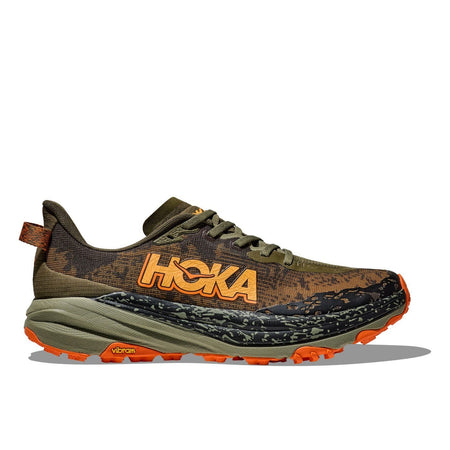
Hoka Speedgoat 6
Choose the Challenger 8 for a road-to-trail hybrid with moderate cushion and 4mm lugs. Choose the Speedgoat 6 for max-cushion protection on long technical trails with deeper Vibram lugs.
Compare Hoka Speedgoat 6 →
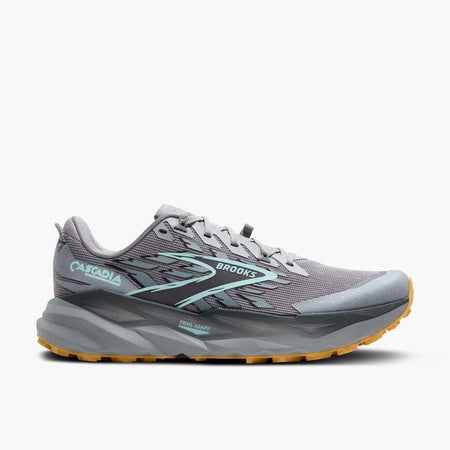
Brooks Cascadia 19
Choose the Challenger 8 for the Hoka rocker character on trails. Choose the Cascadia 19 for a more flexible, slightly firmer trail workhorse with TrailTack rubber.
Compare Brooks Cascadia 19 →
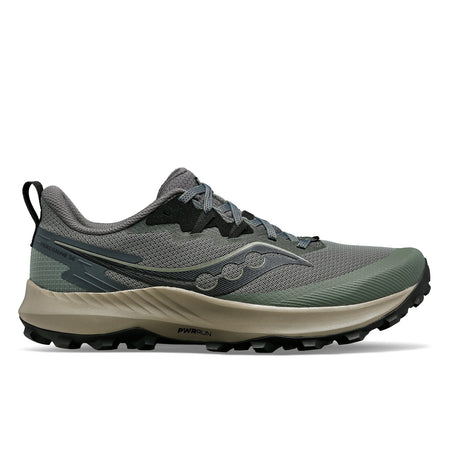
Saucony Peregrine 14
Choose the Challenger 8 for more cushion and the Hoka rocker. Choose the Peregrine 14 for a firmer, more race-leaning trail shoe with PWRTRAC traction.
Compare Saucony Peregrine 14 →
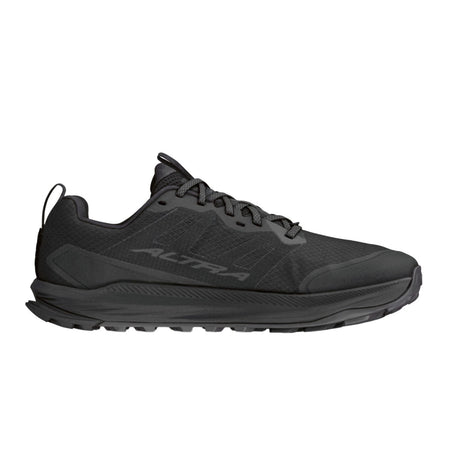
Altra Lone Peak 9
Choose the Challenger 8 for a road-to-trail hybrid with the Hoka rocker and 4mm lugs. Choose the Lone Peak 9 for Altra's zero-drop platform and foot-shaped toe box for runners who already train in zero-drop.
Compare Altra Lone Peak 9 →

Buyer's guide
Read our trail running shoes guide
Lugs, rock plates, stack height, and fit for everything from gravel to technical singletrack.
Read the guide