


Altra
Escalante 3 Road Running Shoe - Men's
$99.99
$139.95Free shipping
Free shipping on orders over $60
In-store pickup · Check our 4 Memphis-area stores
30-day returns, even if you've run in them
The Grivet Take
The Escalante 3 is Altra's signature road shoe with a knit upper, foot-shaped toe box, and 0mm drop platform. The 24mm balanced stack delivers a connected ride with strong ground feel; Altra EGO foam protects without going pillowy. This is a daily trainer for runners who want Altra's foot-shape philosophy on the road. The knit upper is comfortable but less locked-in than performance laced uppers; runners who want a more secure midfoot may prefer the Torin. The Escalante 4 has launched; the v3 is closeout territory for runners who fit it well.
Fit & Feel snapshot
Fit
LengthHow the shoe fits compared with true-to-size expectations.
True to size
Toe box widthHow much side-to-side room the shoe has across the front of the foot.5 of 5
NarrowWide
Toe box volumeHow much vertical room the shoe has above the toes.4 of 5
LowHigh
MidfootHow snug or roomy the shoe feels through the arch and laces.4 of 5
SnugRoomy
Heel holdHow securely the back of the shoe holds the heel.3 of 5
LooseLocked
Ride
CushionHow much material sits underfoot. This is about amount of cushioning, not how soft it feels.3 of 5
MinimalMaximal
SoftnessHow soft or firm the cushioning feels underfoot.3 of 5
FirmPlush
RockerHow much the shoe's shape rolls you forward through the step.1 of 5
FlatAggressive
ResponsivenessHow much pop or energy return the shoe feels like it gives back.3 of 5
DeadBouncy
Support
Support TypeSupport Type describes how much built-in guidance the shoe has. Neutral shoes do not add support structure. Stability shoes use geometry, rails, firmer foam, or frame designs to create a more guided feel. Motion control shoes are the maximum-support category and are rare in modern running.
Neutral
Stability
Motion Control
No added support structure
PlatformPlatform describes the width and shape of the shoe's base underfoot. A wider platform can feel steadier even when the shoe is neutral. This is separate from Support Type.
Standard platform
How it fits
Fits true to size for most runners. Toe box is foot-shaped and noticeably wider than typical road shoes; runners with narrow feet may find the front of the shoe loose. Midfoot is roomy with the soft knit upper providing a sock-like wrap. Heel hold is reasonable but not as locked-in as more structured shoes. Available in standard (D) only at Grivet for men's. The 0mm drop is meaningful; runners coming from typical 8-to-10mm drop shoes need a measured adjustment period.
How it feels
Cushion is moderate at 24mm balanced stack with strong ground feel. Altra EGO foam is firm enough to protect without going pillowy; the flexible forefoot bends naturally rather than rolling on a rocker. Energy return is modest. The knit upper is breathable and comfortable for long miles but provides less midfoot security than woven uppers. The platform is standard width; the ride is honest and connected.
Quick specs
- Category
- Daily trainer
- Surface
- Pavement · Treadmill
- Heel stackHow much shoe sits between your foot and the ground.
- 24.0 mm
- Forefoot stack
- 24.0 mm
- DropThe difference between heel height and forefoot height, measured in millimeters.
- 0.0 mm
- Weight (men's 9)
- 9.0 oz · 255 g
- CushionHow much material sits underfoot. This is about amount of cushioning, not how soft it feels.
- 3 / 5
- Support TypeSupport Type describes how much built-in guidance the shoe has. Neutral shoes do not add support structure. Stability shoes use geometry, rails, firmer foam, or frame designs to create a more guided feel. Motion control shoes are the maximum-support category and are rare in modern running.
- Neutral
- PlatformPlatform describes the width and shape of the shoe's base underfoot. A wider platform can feel steadier even when the shoe is neutral. This is separate from Support Type.
- Standard platform
- Midsole
- Altra EGO
- Outsole
- rubber
- PlateA stiff layer, usually carbon, nylon, or TPU, built into some shoes to add structure, snap, or propulsion.
- No
- WidthsThe width options this shoe is made in. Actual availability depends on current inventory.
- D
Tech, translated
Altra EGO is Altra's standard midsole foam, balanced between cushion and ground feel. In the Escalante 3 the foam pairs with a 24mm balanced stack for a connected road feel.
Zero drop is Altra's signature platform: the heel and forefoot sit at the same height, encouraging a natural midfoot strike. Runners coming from traditional drop shoes need to adjust calf and Achilles loading gradually.
FootShape toe box is the other Altra signature: the upper opens wide at the front to allow natural toe splay. The knit upper wraps the foot in a soft, sock-like fit while remaining breathable.
Frequently asked
Does the Altra Escalante 3 run true to size?
The Escalante 3 runs true to size for most runners. The toe box is foot-shaped and noticeably wider than typical road shoes; runners with narrow feet may find the front of the shoe loose. Available in standard (D) only at Grivet for men's. Runners new to Altra should expect a different fit philosophy from typical road shoes.
Is the Altra Escalante 3 firm or soft underfoot?
The Escalante 3 is balanced, leaning slightly firm. Altra EGO foam protects without going pillowy; the 24mm balanced stack keeps ground feel strong. Runners who want a softer, more cushioned road shoe should look at the Altra Torin or step outside the brand to a Hoka Clifton instead.
Is the Altra Escalante 3 good for treadmill running?
Yes. The rubber outsole grips treadmill belts reliably and the moderate cushion absorbs the harder treadmill landing well. The flexible forefoot maintains natural foot motion across longer treadmill sessions. Runners who want more cushion under the heel for treadmill work may prefer the Altra Torin instead.
How does the Altra Escalante 3 compare to the Escalante 4?
The Escalante 4 is the current version in the same family; both share the zero-drop platform, foot-shaped toe box, and knit upper character. The v4 refines the upper and the cushion tuning; the v3 is one generation behind. Pick the v3 for closeout pricing if standard width works; pick the v4 for the latest refinement.
Should I try zero-drop shoes if I run in traditional drop shoes?
Transitioning to zero-drop shoes requires patience. The 0mm drop loads the calves and Achilles differently than typical 8-to-10mm-drop shoes; runners new to zero-drop often experience calf tightness in the first weeks. Adjust gradually: alternate the Escalante with traditional drop shoes for 3 to 6 weeks before going to zero-drop full-time. Customers with a history of Achilles or calf injuries should test carefully.
Compare it toSimilar shoes or common alternatives, with the key fit and ride differences called out.
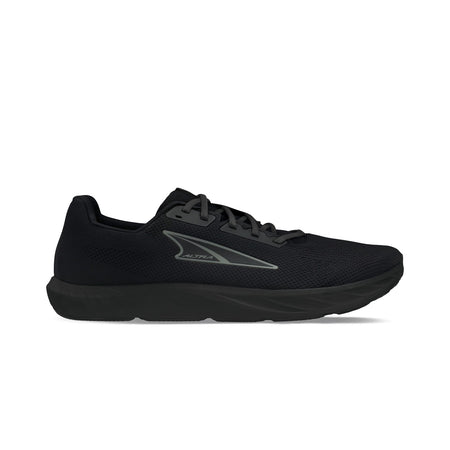
Altra Escalante 4
Choose the Escalante 3 for closeout pricing on the foot-shaped zero-drop road shoe with the knit upper. Choose the Escalante 4 for the latest version with refined upper and cushion tuning.
Compare Altra Escalante 4 →
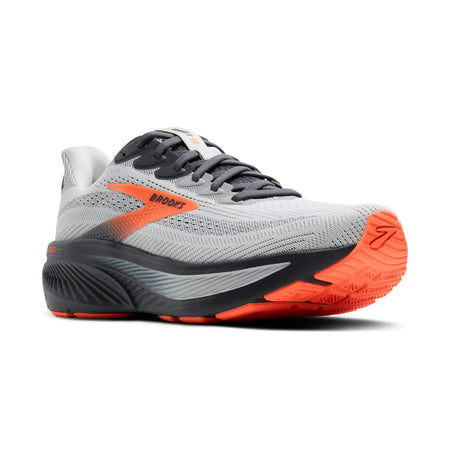
Brooks Ghost 17
Choose the Escalante 3 for Altra's zero-drop foot-shaped road shoe at closeout pricing. Choose the Ghost 17 for the most familiar workhorse Brooks daily trainer with a traditional 10mm drop and standard fit philosophy.
Compare Brooks Ghost 17 →
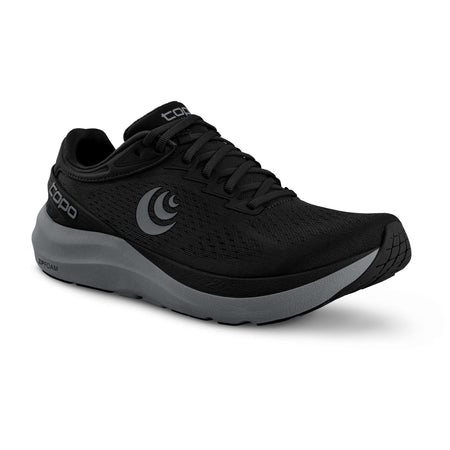
Topo Athletic Phantom 3
Choose the Escalante 3 if you want zero drop and Altra's signature foot-shape character. Choose the Phantom 3 if you want a wide toe box at a more traditional 5mm drop.
Compare Topo Athletic Phantom 3 →
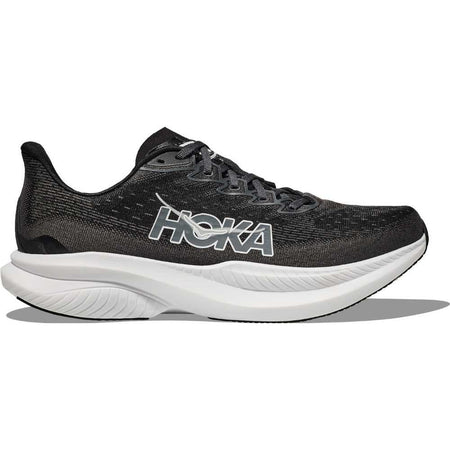
Hoka Mach 6
Choose the Escalante 3 for closeout pricing on the lighter zero-drop road shoe. Choose the Mach 6 for a lightweight Hoka tempo trainer with supercritical EVA foam and a 5mm drop.
Compare Hoka Mach 6 →