


Saucony
Endorphin Pro 4 Running Shoe – Women's
$239.95
Free shipping
Free shipping on orders over $60
In-store pickup · Check our 4 Memphis-area stores
30-day returns, even if you've run in them
The Grivet Take
Saucony's Pro 4 trades some of the Pro 3's snap for a roomier, softer ride that holds up over marathon distance better than its predecessor. PWRRUN PB cushion sits under a new PWRRUN HG topsole and a full-length carbon plate; the combination protects on long miles without going dead. Toe box, midfoot, and tongue all opened up versus the v3, so runners who found Saucony's old race shoes too snug should feel the difference immediately. This is the marathon and half-marathon pick in our racing rotation, not the 5K-and-down shoe. If you wanted a Saucony race shoe but the Pro 3 felt cramped, this is the version to try.
Fit & Feel snapshot
Fit
LengthHow the shoe fits compared with true-to-size expectations.
True to size
Toe box widthHow much side-to-side room the shoe has across the front of the foot.4 of 5
NarrowWide
Toe box volumeHow much vertical room the shoe has above the toes.4 of 5
LowHigh
MidfootHow snug or roomy the shoe feels through the arch and laces.4 of 5
SnugRoomy
Heel holdHow securely the back of the shoe holds the heel.4 of 5
LooseLocked
Ride
CushionHow much material sits underfoot. This is about amount of cushioning, not how soft it feels.5 of 5
MinimalMaximal
SoftnessHow soft or firm the cushioning feels underfoot.4 of 5
FirmPlush
RockerHow much the shoe's shape rolls you forward through the step.4 of 5
FlatAggressive
ResponsivenessHow much pop or energy return the shoe feels like it gives back.4 of 5
DeadBouncy
Support
Support TypeSupport Type describes how much built-in guidance the shoe has. Neutral shoes do not add support structure. Stability shoes use geometry, rails, firmer foam, or frame designs to create a more guided feel. Motion control shoes are the maximum-support category and are rare in modern running.
Neutral
Stability
Motion Control
No added support structure
PlatformPlatform describes the width and shape of the shoe's base underfoot. A wider platform can feel steadier even when the shoe is neutral. This is separate from Support Type.
Standard platform
How it fits
True to size for most runners, with half a size up showing up as a common adjustment for runners chasing extra toe-box room. Toe box runs noticeably wider than the Pro 3 and has more vertical volume. Midfoot is roomier overall, and the integrated knit tongue keeps lace pressure off the top of the foot. Heel hold is secure thanks to a silky liner and a new speed-lacing system that locks down without manual adjustment. Available in women's standard width (B) only.
How it feels
Cushion is high and leans soft. PWRRUN PB underneath the new PWRRUN HG top layer reads as bouncy with a pinch of firmness, which keeps the shoe from feeling like a marshmallow at race pace. The carbon plate is rigid through the forefoot, so the shoe drives through toe-off; ground feel is muted by the 39.5mm heel stack. Rocker geometry is less aggressive than the Pro 3, forgiving at slower paces but slightly less snappy when pace drops. Energy return is high; this is built for marathon and half-marathon distance, not a 5K shoe.
Quick specs
- Category
- Race day
- Surface
- Pavement · Track
- Heel stackHow much shoe sits between your foot and the ground.
- 39.5 mm
- Forefoot stack
- 31.5 mm
- DropThe difference between heel height and forefoot height, measured in millimeters.
- 8.0 mm
- Weight (women's 7)
- 6.5 oz · 185 g
- CushionHow much material sits underfoot. This is about amount of cushioning, not how soft it feels.
- 5 / 5
- Support TypeSupport Type describes how much built-in guidance the shoe has. Neutral shoes do not add support structure. Stability shoes use geometry, rails, firmer foam, or frame designs to create a more guided feel. Motion control shoes are the maximum-support category and are rare in modern running.
- Neutral
- PlatformPlatform describes the width and shape of the shoe's base underfoot. A wider platform can feel steadier even when the shoe is neutral. This is separate from Support Type.
- Standard platform
- Midsole
- PWRRUN PB with PWRRUN HG topsole
- PlateA stiff layer, usually carbon, nylon, or TPU, built into some shoes to add structure, snap, or propulsion.
- Full-length carbon fiber plate
- WidthsThe width options this shoe is made in. Actual availability depends on current inventory.
- B
Tech, translated
PWRRUN PB is Saucony's PEBA-based race foam: light, bouncy, and built for distances where energy return matters most. New for the Pro 4 is PWRRUN HG, a topsole foam first used on the Endorphin Elite that adds compliance underfoot and softens the ride versus the Pro 3.
The carbon plate runs the length of the shoe and provides longitudinal stiffness, working with Saucony's SPEEDROLL geometry to roll the foot forward through toe-off. The combination keeps cadence high in late-race miles when leg fatigue would otherwise pull stride length down.
The knit upper is more pliable than the Pro 3's, with a built-in tongue that protects the top of the foot from lace pressure. The new speed-lacing system locks the heel down without manual adjustment, useful when fatigue makes mid-race adjustments awkward.
Frequently asked
Does the Saucony Endorphin Pro 4 run true to size?
The Endorphin Pro 4 runs true to size for most runners. The toe box runs standard width with a touch more vertical volume than the Pro 3, and the midfoot wraps securely without locking down narrow feet. Heel hold is excellent. Available in standard (B) only at Grivet for women's; runners with narrow feet may find the front of the shoe loose at race-pace cadence.
Is the Saucony Endorphin Pro 4 firm or soft underfoot?
The Pro 4 is on the soft side for a carbon-plated race shoe. PWRRUN PB foam delivers genuine bounce on landing and the new PWRRUN HG topsole adds a compliant layer between the foot and the plate. The carbon plate stiffens the forefoot at toe-off, so the ride reads softer through the heel and midfoot than the propulsive feel at toe-off suggests.
How does the Saucony Endorphin Pro 4 compare to the Endorphin Speed 4?
Both share PWRRUN PB foam, but the Pro 4 has a full-length carbon plate while the Speed 4 has a nylon plate. The Pro 4 is built for race day and key marathon-pace workouts; the Speed 4 is more daily-trainable across tempo runs and half-marathon racing. Pick the Pro for race day and key marathon workouts; pick the Speed for daily mileage that crosses over to race day at shorter distances.
Should I move up to the Pro 4 from the Endorphin Speed line?
It depends on what you liked about the Speed. The Pro 4 has a stiffer ride from the carbon plate, more cushion under the heel, and a less flexible forefoot than the Speed 4. Runners who used the Speed for a goal marathon and felt like the plate could push harder will love the Pro. Runners who relied on the Speed's friendlier daily-trainable character should stay there or pick up the Pro for race day only.
Should I save the Pro 4 for race day, or can I train in it?
The Pro 4 is built for race day and key tempo workouts, not daily training. The carbon plate, max-stack cushion, and aggressive geometry shine on race-pace efforts but feel like overkill for recovery and easy miles. PEBA-based foams also compress faster than EVA, so save the mileage for the workouts that benefit from the propulsion. Most runners get 200 to 300 miles of race-pace performance from the Pro line.
Does the new softer ride hurt response at faster paces?
Less than you might expect. The new PWRRUN HG topsole sits over the same PWRRUN PB foam Saucony has used in the line, so the underlying bounce is still there; HG just adds compliance underfoot. The carbon plate keeps forward drive intact at race pace. At sub-marathon paces the Pro 4 reads slightly softer than the Pro 3 without giving up meaningful propulsion at goal effort.
Compare it toSimilar shoes or common alternatives, with the key fit and ride differences called out.

Saucony Endorphin Speed 4
Choose the Endorphin Pro 4 if you want carbon-plate propulsion for race day in the Saucony fit. Choose the Endorphin Speed 4 for the same PWRRUN PB foam with a friendlier nylon plate that crosses over from tempo days to half-marathon racing.
Compare Saucony Endorphin Speed 4 →
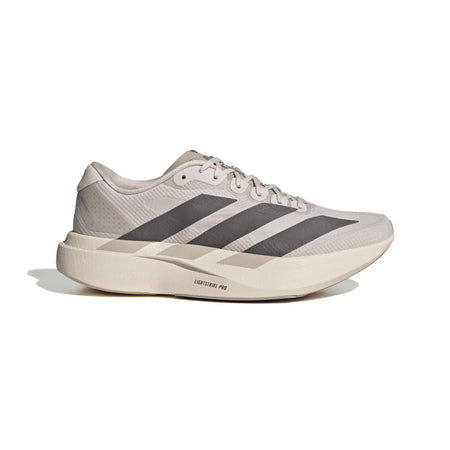
Adidas Adizero Evo SL Woven
Choose the Endorphin Pro 4 for a dedicated carbon-plated race shoe in a Saucony fit. Choose the Adizero Evo SL for full-length Lightstrike Pro PEBA foam without a plate at a more accessible daily-tempo price.
Compare Adidas Adizero Evo SL Woven →
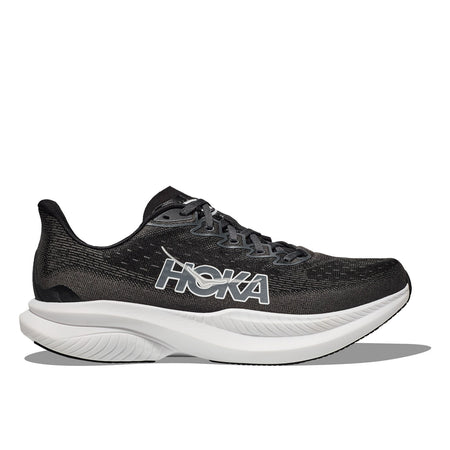
Hoka Mach 6
Choose the Endorphin Pro 4 for carbon-plated marathon-race propulsion. Choose the Mach 6 for a lightweight unplated supercritical-foam daily trainer with the Hoka early-stage Meta-Rocker.
Compare Hoka Mach 6 →
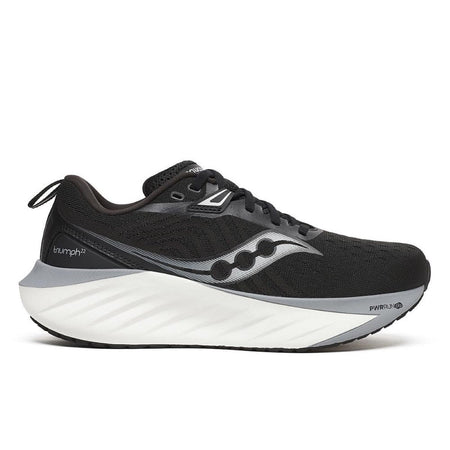
Saucony Triumph 22
Choose the Endorphin Pro 4 for race day and key marathon-pace workouts. Choose the Triumph 22 for premium daily-mileage cushion in the same PWRRUN PB family, which is the standard pairing for runners who want one race shoe and one trainer.
Compare Saucony Triumph 22 →

Buyer's guide
Read our running shoes guide
A clear framework for picking running shoes by surface, cushion, drop, stability, and fit.
Read the guide