


Saucony
Cohesion 16 Running Shoe – Men's
$59.95
$75.00
Free shipping on orders over $60
In-store pickup · Check our 4 Memphis-area stores
30-day returns, even if you've run in them
The Grivet Take
The Cohesion 16 is Saucony's entry-level value daily trainer, built on the simple VERSARUN EVA foam without the tech of the Ride or Triumph lines. 30/22 stack with an 8mm drop, full-rubber outsole, and a no-frills upper. Best for new runners trying out the sport, 3-6 mile easy days, walking, treadmill use, and around-town wear. Skip it if you're logging long miles, chasing pace, or want plush modern foam; this is a budget basic, not a daily workhorse for serious mileage. Available in Standard (D) and Wide (2E) for men's, which makes it a solid budget pick for wide feet.
Fit & Feel snapshot
Fit
LengthHow the shoe fits compared with true-to-size expectations.
True to size
Toe box widthHow much side-to-side room the shoe has across the front of the foot.3 of 5
NarrowWide
Toe box volumeHow much vertical room the shoe has above the toes.3 of 5
LowHigh
MidfootHow snug or roomy the shoe feels through the arch and laces.3 of 5
SnugRoomy
Heel holdHow securely the back of the shoe holds the heel.3 of 5
LooseLocked
Ride
CushionHow much material sits underfoot. This is about amount of cushioning, not how soft it feels.3 of 5
MinimalMaximal
SoftnessHow soft or firm the cushioning feels underfoot.2 of 5
FirmPlush
RockerHow much the shoe's shape rolls you forward through the step.2 of 5
FlatAggressive
ResponsivenessHow much pop or energy return the shoe feels like it gives back.2 of 5
DeadBouncy
Support
Support TypeSupport Type describes how much built-in guidance the shoe has. Neutral shoes do not add support structure. Stability shoes use geometry, rails, firmer foam, or frame designs to create a more guided feel. Motion control shoes are the maximum-support category and are rare in modern running.
Neutral
Stability
Motion Control
No added support structure
PlatformPlatform describes the width and shape of the shoe's base underfoot. A wider platform can feel steadier even when the shoe is neutral. This is separate from Support Type.
Standard platform
How it fits
Fits true to size for most runners. Toe box runs standard width with normal vertical room; midfoot is standard. Heel hold is solid thanks to a padded collar. Available in Standard (D) and Wide (2E) for men's, which is wider availability than many entry-level shoes offer. The construction is straightforward and ready out of the box; no notable break-in needed.
How it feels
Cushion is moderate; the VERSARUN EVA foam is firmer than the supercritical foams in Saucony's higher-end Ride and Triumph models. Energy return is minimal; this is a protective foam, not a propulsive one. The geometry is flat with minimal rocker, with adequate forefoot flexibility. Ground feel is moderate. Best at easy paces and shorter runs; the foam doesn't carry well past 6 miles for most runners.
Quick specs
- Category
- Daily trainer
- Surface
- Pavement · Treadmill
- Heel stackHow much shoe sits between your foot and the ground.
- 30.0 mm
- Forefoot stack
- 22.0 mm
- DropThe difference between heel height and forefoot height, measured in millimeters.
- 8.0 mm
- Weight (men's 9)
- 10.4 oz · 295 g
- CushionHow much material sits underfoot. This is about amount of cushioning, not how soft it feels.
- 3 / 5
- Support TypeSupport Type describes how much built-in guidance the shoe has. Neutral shoes do not add support structure. Stability shoes use geometry, rails, firmer foam, or frame designs to create a more guided feel. Motion control shoes are the maximum-support category and are rare in modern running.
- Neutral
- PlatformPlatform describes the width and shape of the shoe's base underfoot. A wider platform can feel steadier even when the shoe is neutral. This is separate from Support Type.
- Standard platform
- Midsole
- VERSARUN (EVA)
- Outsole
- rubber
- PlateA stiff layer, usually carbon, nylon, or TPU, built into some shoes to add structure, snap, or propulsion.
- No
- WidthsThe width options this shoe is made in. Actual availability depends on current inventory.
- D · 2E
Tech, translated
VERSARUN is Saucony's entry-level EVA foam, used across the value-tier Cohesion line. It's protective and durable rather than soft or springy. For shoppers comparing to Saucony's higher-end PWRRUN PB (Triumph) or PWRRUN+ (Ride), the experience is noticeably firmer and less responsive — the trade-off for the lower price point.
Full-rubber outsole wraps the bottom of the shoe, which is unusual at this price point and helps the Cohesion last longer than typical entry-level shoes. Good for treadmill use, gym work, and around-town wear in addition to running.
Frequently asked
How does the Saucony Cohesion 16 compare to the Saucony Ride 17?
The Cohesion 16 is Saucony's entry-level value shoe; the Ride 17 is the mid-tier daily neutral. The Cohesion uses the basic VERSARUN EVA foam; the Ride 17 uses PWRRUN+, which is softer, more responsive, and built for higher mileage. Both share Saucony's traditional 8-10mm drop fit. Choose the Cohesion for budget-conscious entry use (3-6 mile runs, walking, gym). Choose the Ride 17 for daily training and long-run capability.
Is the Saucony Cohesion 16 firm or soft underfoot?
Firm-leaning. The VERSARUN EVA foam is protective rather than plush, with minimal energy return. It's a meaningful step down from Saucony's PWRRUN+ and PWRRUN PB foams in the higher-end Ride and Triumph lines. For runners wanting a soft, springy ride, this isn't the right pick; for runners wanting a basic, durable shoe at a budget price, the firmness is part of the value.
Is the Saucony Cohesion 16 good for walking?
Yes, the Cohesion 16 is well-suited to walking, gym use, and around-town wear. The full-rubber outsole holds up to mixed surfaces and longer wear, the moderate cushion is comfortable for everyday standing and walking, and the budget price point makes it a sensible pick for casual use rather than committing to a premium shoe. It's heavier and firmer than a dedicated walking shoe, but the durability makes up for it.
Is the Saucony Cohesion 16 good for treadmill running?
Yes. The full-rubber outsole holds up well to belt wear, the firm cushioning is consistent across repeated foot strikes, and the simple geometry is forgiving for steady-state treadmill miles. At 10.4 oz it's average weight for an entry-level shoe; longer treadmill efforts may feel more sluggish than they would in a lighter daily trainer. For new runners using the treadmill or for gym training, the Cohesion 16 is a solid budget pick.
Compare it toSimilar shoes or common alternatives, with the key fit and ride differences called out.
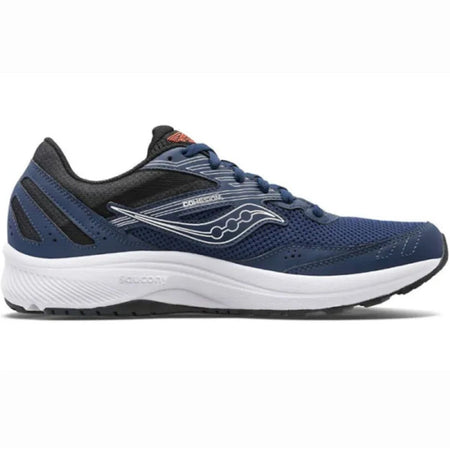
Saucony Cohesion 15
Choose the Cohesion 16 for the latest version of Saucony's entry-level value trainer. Choose the Cohesion 15 if it's still available at extra savings; the two versions are essentially the same shoe.
Compare Saucony Cohesion 15 →
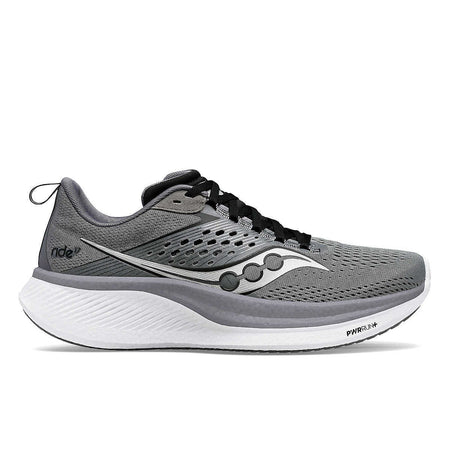
Saucony Ride 17
Choose the Cohesion 16 for a budget-friendly entry-level shoe for easy miles and casual wear. Choose the Ride 17 if you're logging serious mileage and want PWRRUN+ foam, more cushion, and a more responsive ride.
Compare Saucony Ride 17 →
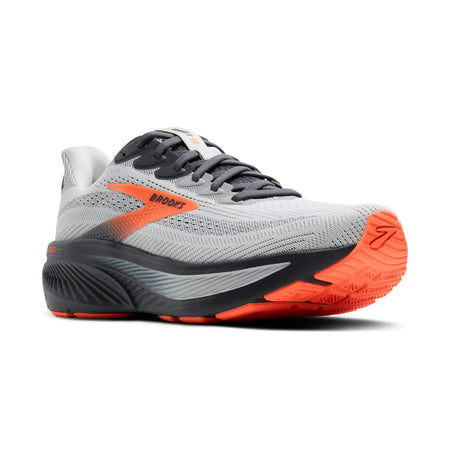
Brooks Ghost 17
Choose the Cohesion 16 for an entry-level price point with a simple, durable build. Choose the Ghost 17 for a true mid-tier daily neutral with DNA LOFT v3 foam, more cushion, and better long-run performance.
Compare Brooks Ghost 17 →
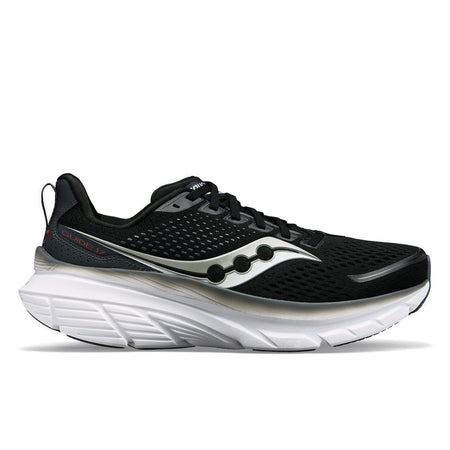
Saucony Guide 17
Choose the Cohesion 16 for a neutral entry-level shoe at a budget price. Choose the Guide 17 for guided stability with CenterPath geometry, better foam, and a more refined ride for runners wanting structured support.
Compare Saucony Guide 17 →

Buyer's guide
Read our running shoes guide
A clear framework for picking running shoes by surface, cushion, drop, stability, and fit.
Read the guide