


New Balance
FuelCell SuperComp Trainer v3 Running Shoe – Women's
$139.95
$180.00Free shipping
Free shipping on orders over $60
In-store pickup · Check our 4 Memphis-area stores
30-day returns, even if you've run in them
The Grivet Take
The FuelCell SuperComp Trainer v3 is New Balance's super trainer: 40mm of PEBA-blend stack and an Energy Arc carbon plate built for marathon training and the tempo work that prepares you for race day. The v3 tunes the platform firmer and quicker than the v2 by swapping in a PEBA/EVA midsole and adding more forefoot ground contact, which makes the shoe punch back at fast paces but feel clunky at recovery jog effort. Send this one home with runners stacking marathon mileage who want a single shoe for long runs and uptempo workouts. Runners who want a soft daily trainer or recovery shoe should pick something else; this is built to do work. The forefoot runs lean, so wide-footed runners should try a size up or look at a wider-fitting alternative before committing.
Fit & Feel snapshot
Fit
LengthHow the shoe fits compared with true-to-size expectations.
True to size
Toe box widthHow much side-to-side room the shoe has across the front of the foot.2 of 5
NarrowWide
Toe box volumeHow much vertical room the shoe has above the toes.2 of 5
LowHigh
MidfootHow snug or roomy the shoe feels through the arch and laces.3 of 5
SnugRoomy
Heel holdHow securely the back of the shoe holds the heel.4 of 5
LooseLocked
Ride
CushionHow much material sits underfoot. This is about amount of cushioning, not how soft it feels.5 of 5
MinimalMaximal
SoftnessHow soft or firm the cushioning feels underfoot.2 of 5
FirmPlush
RockerHow much the shoe's shape rolls you forward through the step.3 of 5
FlatAggressive
ResponsivenessHow much pop or energy return the shoe feels like it gives back.4 of 5
DeadBouncy
Support
Support TypeSupport Type describes how much built-in guidance the shoe has. Neutral shoes do not add support structure. Stability shoes use geometry, rails, firmer foam, or frame designs to create a more guided feel. Motion control shoes are the maximum-support category and are rare in modern running.
Neutral
Stability
Motion Control
Neutral shoe with a wider, steadier base
PlatformPlatform describes the width and shape of the shoe's base underfoot. A wider platform can feel steadier even when the shoe is neutral. This is separate from Support Type.
Wider, steadier base
How it fits
Fits true to size for most runners. Forefoot runs lean: low volume through the toe box and a tapered shape that crowds the outer toes on longer efforts for runners with wider or higher-volume feet. A half-size up resolves it for some, but customers who normally need a wide should consider a different trainer. Midfoot lockdown is solid thanks to the gusseted tongue and revised lacing; heel hold is secure with a stiff internal counter and mild collar padding. The women's lineup is offered in standard (B) width only. A small minority of customer reviews mention break-in pressure across the outer big toe that settles by 20 to 30 miles; runners sensitive to forefoot pressure should plan for short first runs.
How it feels
Cushion is high and protective but reads firm rather than soft; the PEBA/EVA midsole is tuned for return rather than sink. Energy return is good without crossing into the bouncy supercritical-foam territory of a dedicated race shoe. The Energy Arc carbon plate and forefoot rocker work together at moderate-to-fast paces to roll the foot through toe-off, and the lateral sole flare plus the narrower central channel keep the wide platform feeling stable underfoot. Forefoot flexibility is limited and ground feel is muted. The shoe falls flat at easy recovery paces, where the firm foam and plate keep the ride from settling in.
Quick specs
- Category
- Marathon racer
- Surface
- Pavement · Treadmill
- Heel stackHow much shoe sits between your foot and the ground.
- 40.0 mm
- Forefoot stack
- 34.0 mm
- DropThe difference between heel height and forefoot height, measured in millimeters.
- 6.0 mm
- Weight (women's 7)
- 7.4 oz · 210 g
- CushionHow much material sits underfoot. This is about amount of cushioning, not how soft it feels.
- 5 / 5
- Support TypeSupport Type describes how much built-in guidance the shoe has. Neutral shoes do not add support structure. Stability shoes use geometry, rails, firmer foam, or frame designs to create a more guided feel. Motion control shoes are the maximum-support category and are rare in modern running.
- Neutral
- PlatformPlatform describes the width and shape of the shoe's base underfoot. A wider platform can feel steadier even when the shoe is neutral. This is separate from Support Type.
- Wider, steadier base
- Midsole
- FuelCell PEBA/EVA blend
- Outsole
- Dynaride rubber
- PlateA stiff layer, usually carbon, nylon, or TPU, built into some shoes to add structure, snap, or propulsion.
- Energy Arc carbon fiber plate
- WidthsThe width options this shoe is made in. Actual availability depends on current inventory.
- B
Tech, translated
FuelCell PEBA/EVA blend is New Balance's reformulated midsole for the v3, mixing PEBA with EVA for a firmer, more stable feel than the prior FuelCell while keeping the responsive pop a supercritical foam is known for. The blend is more durable across high mileage than pure PEBA.
Energy Arc is the full-length carbon fiber plate paired with strategic midsole voids. The carved-out geometry concentrates energy return at toe-off and partners with the forefoot rocker to keep transitions quick at marathon and tempo paces.
Dynaride rubber is the outsole compound. Coverage on the v3 is more extensive than the v2 with a flatter contact pattern that improves traction on dry and wet pavement and adds to platform stability.
The v3 has no medial post or guidance frame. Stability comes from a wide base, sidewall cradling at the midfoot, and the rocker geometry.
What changed from the previous version
The v3 swaps the prior FuelCell midsole for a firmer PEBA/EVA blend and removes the forefoot toe spring in favor of a tuned rocker, so transitions feel smoother at marathon and tempo paces while the platform lands more stable. The Energy Arc carbon plate carries over with revised geometry, and the outsole adds forefoot ground contact for better wet-pavement traction and platform stability. Total weight drops slightly compared with the v2.
Frequently asked
Does the New Balance FuelCell SuperComp Trainer v3 run true to size?
The SuperComp Trainer v3 runs true to size for most runners. The forefoot runs lean: the toe box is low-volume and tapered, which can crowd the outer big toe for runners with wider or higher-volume feet. Runners with average to narrow feet should stay in their normal size; runners who normally need a wide should size up a half or look at a different trainer, since the women's lineup ships in standard (B) width only.
What changed from the FuelCell SuperComp Trainer v2?
The v3 swaps the prior FuelCell midsole for a firmer PEBA/EVA blend that lands more stable and quicker off the heel than the v2's pillowy bounce. New Balance also removed the toe spring and tuned the forefoot rocker, so transitions feel smoother and the platform locks in more aligned at marathon and tempo paces. The outsole adds forefoot ground contact, which improves both traction on wet pavement and platform stability. Weight drops slightly compared with the v2.
How does the FuelCell SuperComp Trainer v3 compare to the Saucony Endorphin Speed 4?
Both are plated long-run and tempo trainers, but they target different ends of that brief. The SuperComp Trainer v3 carries 40mm of PEBA/EVA stack and a full-length carbon Energy Arc plate, which makes it heavier and more protective for marathon-mileage long runs. The Endorphin Speed 4 is lighter and springier with a nylon plate and PWRRUN PB foam, and it crosses over from tempo days into half-marathon racing more naturally. Pick the SuperComp Trainer v3 for protective long runs; pick the Endorphin Speed 4 for snappier workouts.
Is the FuelCell SuperComp Trainer v3 firm or soft underfoot?
The v3 reads firm rather than soft. The new PEBA/EVA midsole is tuned for return rather than sink, and the full-length carbon plate keeps the platform rigid through the midfoot. Energy return is good at marathon and tempo paces, where the rocker and plate roll the foot through toe-off, but the shoe loses interest at easy recovery paces because the foam doesn't compress enough at low force to feel comfortable. Runners specifically chasing a plush ride should look at the New Balance 1080v13 instead.
Is the FuelCell SuperComp Trainer v3 good for treadmill running?
Yes, with caveats. The Dynaride rubber outsole grips belt surfaces well and the deep midsole absorbs the harder treadmill landing without losing return. The v3 is best on the treadmill at marathon or tempo paces, where the rocker and plate actually do work; easy recovery treadmill miles feel clunky in this shoe because of the firmer ride. For most treadmill sessions inside a marathon training block, the SuperComp Trainer v3 is a strong option.
Can the FuelCell SuperComp Trainer v3 be used for race day?
It can, but it is not a dedicated racing shoe. The v3 is heavier than a true marathon racer like the FuelCell SC Elite v4, so runners chasing personal bests will be faster in a race-day specific shoe. Where the SuperComp Trainer v3 shines on race day is the marathon for mid-pack runners who want maximum cushion and stability over the full 26.2 miles rather than a lighter, edgier ride. It can also serve as a backup race option for runners who don't want to drop the higher price of a dedicated carbon racer.
Compare it toSimilar shoes or common alternatives, with the key fit and ride differences called out.
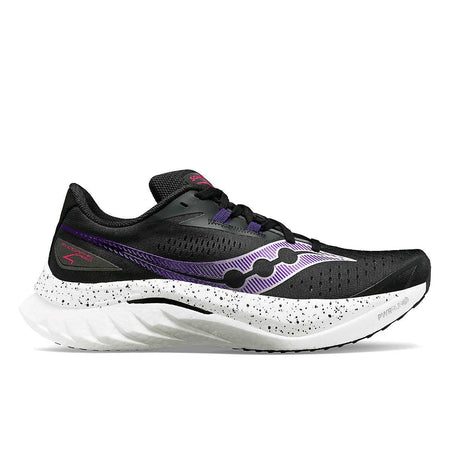
Saucony Endorphin Speed 4
Choose the SuperComp Trainer v3 if you want a heavier, higher-stack shoe built for marathon-mileage long runs. Choose the Endorphin Speed 4 if you want a lighter, springier nylon-plated trainer that crosses over from tempo days into half-marathon racing.
Compare Saucony Endorphin Speed 4 →
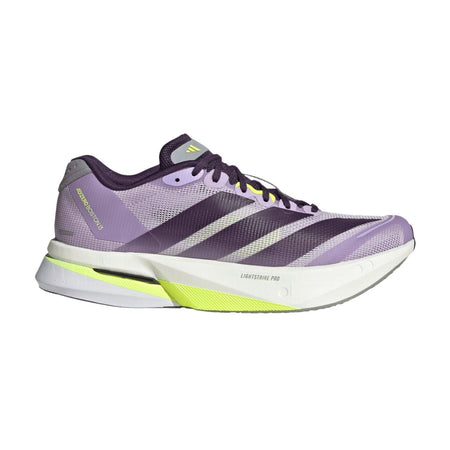
Adidas Adizero Boston 13
Choose the SuperComp Trainer v3 if you want more foam underfoot and a true full-length carbon plate. Choose the Boston 13 if you want a leaner, lower-stack workout trainer with EnergyRods and a snappier turnover at speed.
Compare Adidas Adizero Boston 13 →
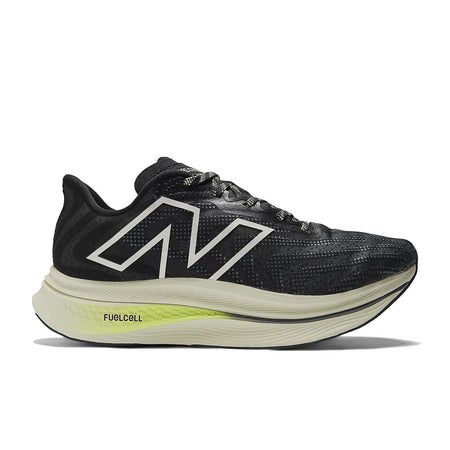
New Balance FuelCell SuperComp Trainer v2
Choose the v3 if you want a firmer, quicker, more stable ride and improved outsole traction. Choose the v2 if you preferred the pillowy bounce and softer landing of the previous FuelCell formulation, available at closeout pricing.
Compare New Balance FuelCell SuperComp Trainer v2 →
New Balance Fresh Foam X 1080v13
Choose the SuperComp Trainer v3 for plated long-run and tempo work at marathon paces. Choose the 1080v13 for a plate-free max-cushion daily trainer that handles easy miles and recovery runs.

Buyer's guide
Read our running shoes guide
A clear framework for picking running shoes by surface, cushion, drop, stability, and fit.
Read the guide