


New Balance
FuelCell Rebel v4 Running Shoe – Women's
$109.95
Free shipping
Free shipping on orders over $60
In-store pickup · Check our 4 Memphis-area stores
30-day returns, even if you've run in them
The Grivet Take
The Rebel v4 is one of the lightest non-plated trainers on the market, and the new PEBA-blended FuelCell foam finally gives it a ride character that matches its weight. It is a true uptempo daily shoe for runners who want to mix easy miles with strides, tempo work, and 5K to half marathon racing without buying a separate speed shoe. The wide forefoot platform adds some inherent steadiness, but the upper runs voluminous and the heel hold is the weak point, so narrow-footed runners or anyone needing a locked-down heel for fast turns should try it on first. Runners who want max cushion for marathon-plus distances or anything resembling a plush feel underfoot will be happier in the More v5 or Bondi 9. The 6 mm drop and flexible forefoot also ask more of the calves and feet than a typical daily trainer, so build into longer runs gradually.
Fit & Feel snapshot
Fit
LengthHow the shoe fits compared with true-to-size expectations.
True to size
Toe box widthHow much side-to-side room the shoe has across the front of the foot.4 of 5
NarrowWide
Toe box volumeHow much vertical room the shoe has above the toes.4 of 5
LowHigh
MidfootHow snug or roomy the shoe feels through the arch and laces.4 of 5
SnugRoomy
Heel holdHow securely the back of the shoe holds the heel.3 of 5
LooseLocked
Ride
CushionHow much material sits underfoot. This is about amount of cushioning, not how soft it feels.3 of 5
MinimalMaximal
SoftnessHow soft or firm the cushioning feels underfoot.3 of 5
FirmPlush
RockerHow much the shoe's shape rolls you forward through the step.3 of 5
FlatAggressive
ResponsivenessHow much pop or energy return the shoe feels like it gives back.4 of 5
DeadBouncy
Support
Support TypeSupport Type describes how much built-in guidance the shoe has. Neutral shoes do not add support structure. Stability shoes use geometry, rails, firmer foam, or frame designs to create a more guided feel. Motion control shoes are the maximum-support category and are rare in modern running.
Neutral
Stability
Motion Control
No added support structure
PlatformPlatform describes the width and shape of the shoe's base underfoot. A wider platform can feel steadier even when the shoe is neutral. This is separate from Support Type.
Wider, steadier base
How it fits
Length runs true to size for most runners. The forefoot is roomy and the upper sits with extra volume across the midfoot, which works well for medium and wider feet but can feel sloppy on narrow lasts. The redesigned FantomFit upper is unstructured and minimal, prioritizing weight savings over precise lockdown. Heel hold is the weakest part of the fit; the achilles collar and counter are soft, which keeps the shoe light but loses some grip at faster paces and during cornering. Customers with bony heels or narrow ankles should expect to lace-lock or look elsewhere. Only standard width (B) is offered for women's.
How it feels
The new PEBA-and-EVA FuelCell midsole reads moderately cushioned with a clear bounce at the forefoot, firmer than the v3 and more obviously biased toward faster paces. The forefoot is highly flexible without a plate or aggressive rocker, so transitions happen through the foot rather than through the shoe. This makes the Rebel v4 feel lively and quick at tempo and faster, and adequately cushioned for daily miles, but the lack of structure means the calves and feet work harder than they would in a more typical trainer. Heel landings reveal the lower stack and short rocker quickly; the shoe rewards a midfoot or forefoot strike. Energy return is strong for an unplated shoe in this weight class.
Quick specs
- Category
- Daily trainer
- Surface
- Pavement · Treadmill
- Heel stackHow much shoe sits between your foot and the ground.
- 30.0 mm
- Forefoot stack
- 24.0 mm
- DropThe difference between heel height and forefoot height, measured in millimeters.
- 6.0 mm
- Weight (men's 9)
- 7.5 oz · 213 g
- CushionHow much material sits underfoot. This is about amount of cushioning, not how soft it feels.
- 3 / 5
- Support TypeSupport Type describes how much built-in guidance the shoe has. Neutral shoes do not add support structure. Stability shoes use geometry, rails, firmer foam, or frame designs to create a more guided feel. Motion control shoes are the maximum-support category and are rare in modern running.
- Neutral
- PlatformPlatform describes the width and shape of the shoe's base underfoot. A wider platform can feel steadier even when the shoe is neutral. This is separate from Support Type.
- Wider, steadier base
- Midsole
- FuelCell (PEBA/EVA blend)
- Outsole
- Rubber
- PlateA stiff layer, usually carbon, nylon, or TPU, built into some shoes to add structure, snap, or propulsion.
- No
- WidthsThe width options this shoe is made in. Actual availability depends on current inventory.
- B
Tech, translated
FuelCell foam in the v4 is a reformulated blend of PEBA (the premium bouncy foam used in race shoes) and EVA (a traditional, more stable cushioning foam). The PEBA adds the propulsive snap that runners look for in modern trainers; the EVA keeps it stable and gives the foam enough body to last through training mileage. This is a meaningful change from the v3, which used a softer all-FuelCell setup that several reviewers felt blurred the line with daily trainers.
The outsole uses targeted rubber coverage on the forefoot and lateral heel, prioritizing weight savings over full-coverage durability. Expect to see foam exposed in low-wear zones. Traction is adequate on dry pavement and gravel paths; wet roads call for short, controlled strides.
There is no plate. The wide platform under the forefoot provides the only structural stability, and the FantomFit upper is intentionally minimal to keep weight under 6 ounces for many women's sizes.
Frequently asked
Does the New Balance FuelCell Rebel v4 run true to size?
The Rebel v4 runs true to size in length for most runners. The forefoot is roomier than the v3 and the upper sits with extra volume across the midfoot, so medium and wider feet usually find a comfortable fit at the standard size. Runners with narrow feet may find the upper sloppy and should try it on or consider sizing-down strategies before committing. Only standard width is offered for women's.
How does the New Balance FuelCell Rebel v4 compare to the Hoka Mach 6?
Both are lightweight uptempo trainers for runners who want one shoe for easy days, tempo work, and shorter races. The Rebel v4 has a roomier forefoot, a lower 6 mm drop, and a more flexible foot-first ride that asks the foot to do more of the bending. The Mach 6 has a stronger rocker and a stiffer feel that does more of the transition work for you, plus a snugger upper that suits narrower feet better. Pick the Rebel if you want flexibility and forefoot room; pick the Mach 6 if you want a rockered, secure ride.
Is the New Balance FuelCell Rebel v4 firm or soft underfoot?
The Rebel v4 lands in the middle, leaning toward the firm-and-responsive side rather than plush. The PEBA-and-EVA FuelCell blend delivers a clear forefoot bounce and noticeable energy return rather than a sinking, pillowy feel. It is firmer than the v3 and tuned more clearly for uptempo running. Anyone looking for a soft, max-cushion ride should look at the New Balance More v5 or Hoka Bondi 9 instead.
Is the New Balance FuelCell Rebel v4 good for wide feet?
The standard B-width fit is roomy enough through the forefoot to work for many wider feet without needing a dedicated wide. The toe box is one of the more accommodating in the lightweight category. There is no 2A or D width offered for women's, so runners with very wide forefeet who need 2E or wider should consider a different model.
Is the New Balance FuelCell Rebel v4 good for treadmill running?
Yes. The lightweight build, flexible forefoot, and bouncy PEBA-blended foam suit the steady cadence of a treadmill session well. The rubber outsole grips belt surfaces reliably for most pace ranges, and the shoe's responsive ride keeps tempo and interval work feeling lively indoors. Runners using the treadmill primarily for long, slow recovery efforts may prefer something with more cushion.
Is the FuelCell Rebel v4 a good half marathon race shoe?
It can be, depending on the runner. For half-marathon paces in the 5K to 10K speed range, the Rebel v4 is a strong pick: light, responsive, and forgiving enough to hold up for the full distance. For runners chasing a half marathon personal best, a plated race shoe like the Saucony Endorphin Pro or New Balance SuperComp Elite will return more energy at marathon pace and faster. The Rebel is the unplated alternative for runners who prefer foam-only feedback or are racing at slightly less aggressive paces.
Compare it toSimilar shoes or common alternatives, with the key fit and ride differences called out.
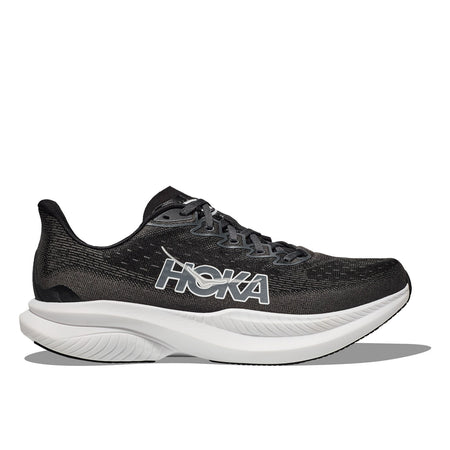
Hoka Mach 6
Choose the Rebel v4 if you want a roomier forefoot, a lower 6 mm drop, and a flexible foot-first ride. Choose the Mach 6 if you want a more rockered, slightly stiffer transition with a snugger upper at the same uptempo weight class.
Compare Hoka Mach 6 →
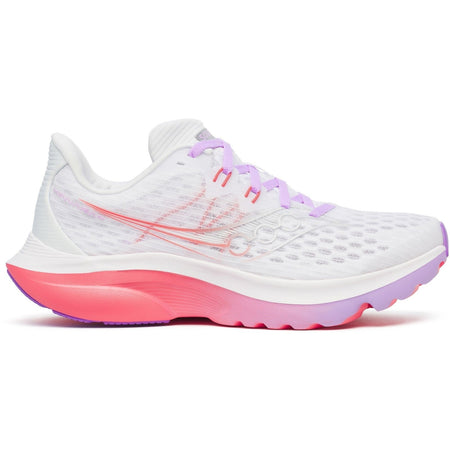
Saucony Kinvara 16
Choose the Rebel v4 for a bouncier PEBA-blend foam and a wider forefoot platform. Choose the Kinvara 16 for a more grounded, traditional lightweight trainer feel with a slightly more secure midfoot wrap.
Compare Saucony Kinvara 16 →

Saucony Endorphin Speed 4
Choose the Rebel v4 if you want lightweight foam-only feedback with a flexible forefoot for tempo and shorter races. Choose the Endorphin Speed 4 if you want a nylon plate and a stronger rocker for longer tempo work and half-marathon to marathon racing.
Compare Saucony Endorphin Speed 4 →
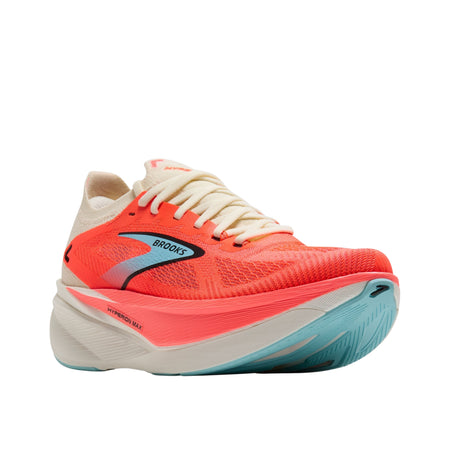
Brooks Hyperion Max 3
Choose the Rebel v4 for the lightest possible uptempo trainer with a flexible forefoot. Choose the Hyperion Max 3 if you want more stack, a stronger rocker, and a cushioned long-run feel that handles marathon-paced workouts better.
Compare Brooks Hyperion Max 3 →

Buyer's guide
Read our running shoes guide
A clear framework for picking running shoes by surface, cushion, drop, stability, and fit.
Read the guide