New Balance
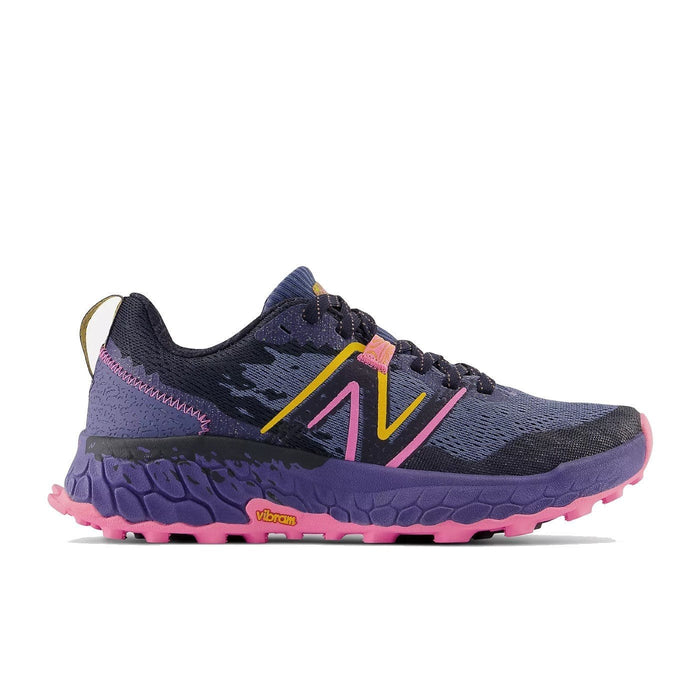
Fresh Foam X Hierro v9 Running Shoe – Women's
$160.00
Free shipping
Free shipping on orders over $60
In-store pickup · Check our 4 Memphis-area stores
30-day returns, even if you've run in them
The Grivet Take
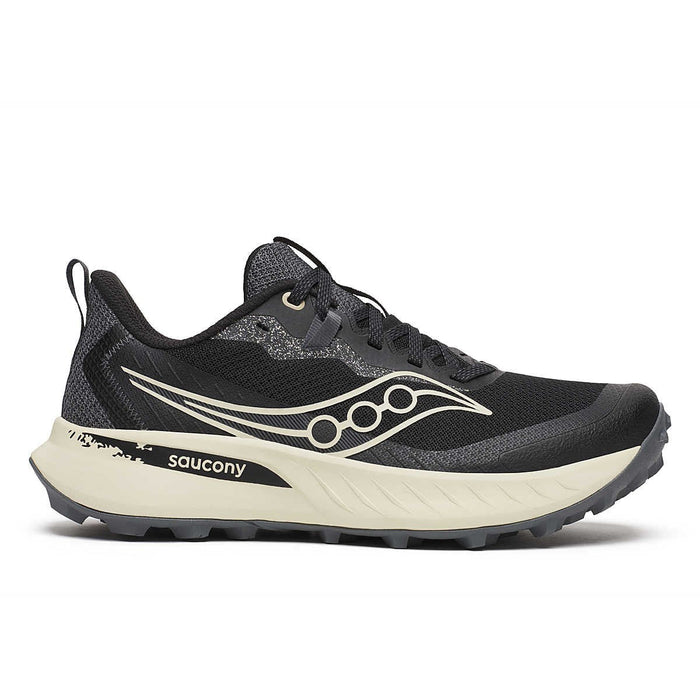
The Hierro v9 is the New Balance trail shoe for runners who want max cushion on dirt without giving up the wide-platform stability the line is known for. The redesign is real: the v9 is taller, softer, and more rockered than the v8, with deeper Vibram Megagrip lugs that bite into dust, snow, and dry dirt. The wide base keeps the high stack feeling planted rather than wobbly. Two trade-offs to flag: the cushion is soft enough that quick reactions on technical descents are muted, so this is not the right shoe for rocky, technical, fast-moving terrain; and the toe box, while accommodating, runs lower in vertical volume than the v8, which can pinch high-volume forefeet. Runners after a more nimble trail shoe should look at the Saucony Peregrine 15; runners after a softer road-to-trail option should look at the Hoka Challenger 8.
Fit & Feel snapshot
Fit
LengthHow the shoe fits compared with true-to-size expectations.
True to size
Toe box widthHow much side-to-side room the shoe has across the front of the foot.3 of 5
NarrowWide
Toe box volumeHow much vertical room the shoe has above the toes.2 of 5
LowHigh
MidfootHow snug or roomy the shoe feels through the arch and laces.3 of 5
SnugRoomy
Heel holdHow securely the back of the shoe holds the heel.4 of 5
LooseLocked
Ride
CushionHow much material sits underfoot. This is about amount of cushioning, not how soft it feels.5 of 5
MinimalMaximal
SoftnessHow soft or firm the cushioning feels underfoot.4 of 5
FirmPlush
RockerHow much the shoe's shape rolls you forward through the step.3 of 5
FlatAggressive
ResponsivenessHow much pop or energy return the shoe feels like it gives back.2 of 5
DeadBouncy
Support
Support TypeSupport Type describes how much built-in guidance the shoe has. Neutral shoes do not add support structure. Stability shoes use geometry, rails, firmer foam, or frame designs to create a more guided feel. Motion control shoes are the maximum-support category and are rare in modern running.
Neutral
Stability
Motion Control
Neutral shoe with a wider, steadier base
PlatformPlatform describes the width and shape of the shoe's base underfoot. A wider platform can feel steadier even when the shoe is neutral. This is separate from Support Type.
Narrower than average platform
How it fits
Length runs true to size for most runners. The B-width forefoot is moderate, slightly wider than typical Salomon but narrower than Altra; the toe box is on the lower side in vertical volume and can pinch high-volume forefeet at the top of the foot. The TPU toe overlay reinforces the bumper but pulls the upper down slightly over the toes. Midfoot lockdown is secure thanks to a gusseted stretch tongue and the wrap of the upper; narrow midfeet may still find the platform a touch wide. Heel hold is strong; the redesigned collar and stitched tongue keep the rearfoot locked in. Women's sizing is offered in B (standard) and D (wide), which is broader than most peer women's trail shoes.
How it feels
The dual-layer Fresh Foam X midsole reads soft and plush rather than firm, with a touch of bounce on the road and a planted, contained feel on dirt. The 4 mm drop and modest rocker push the foot forward smoothly on moderate surfaces and on pavement transitions; rebound is mild rather than snappy, so faster trail paces feel muted. The wide platform and the deep lateral heel flare make the high-stack ride feel stable for what it is, but quick lateral cuts and technical reaction time still suffer compared with a lower-stack trail shoe. On dry dirt, dust, and packed snow the 4.5 mm Megagrip lugs grip reliably; on wet rock and steep loose descents the soft foam moves around enough that confident foot placement matters more than the outsole grip alone.
Quick specs
- Category
- Long run trainer
- Surface
- Smooth trail · Mixed terrain · Road plus light trail
- Heel stackHow much shoe sits between your foot and the ground.
- 30.0 mm
- Forefoot stack
- 26.0 mm
- DropThe difference between heel height and forefoot height, measured in millimeters.
- 4.0 mm
- Weight (women's 7)
- 8.6 oz · 244 g
- CushionHow much material sits underfoot. This is about amount of cushioning, not how soft it feels.
- 5 / 5
- Support TypeSupport Type describes how much built-in guidance the shoe has. Neutral shoes do not add support structure. Stability shoes use geometry, rails, firmer foam, or frame designs to create a more guided feel. Motion control shoes are the maximum-support category and are rare in modern running.
- Neutral
- PlatformPlatform describes the width and shape of the shoe's base underfoot. A wider platform can feel steadier even when the shoe is neutral. This is separate from Support Type.
- Narrower than average platform
- Midsole
- Fresh Foam X (dual-layer: softer top, firmer bottom)
- Outsole
- Vibram Megagrip with 4.5 mm lugs
- PlateA stiff layer, usually carbon, nylon, or TPU, built into some shoes to add structure, snap, or propulsion.
- No
- WidthsThe width options this shoe is made in. Actual availability depends on current inventory.
- B · D
Tech, translated
Fresh Foam X on the v9 is a dual-layer construction with a softer top layer for cushion and a firmer bottom layer for support and energy return — a meaningful change from the single-density v8 stack. The softer top reads plush at slow paces and on long efforts; the firmer base keeps the shoe from feeling unstable at the high stack.
The Vibram Megagrip outsole uses 4.5 mm lugs in a well-spaced angled pattern, designed to clear mud and bite into dirt and snow. Megagrip is the industry reference for sticky rubber on rock and wet surfaces; on the Hierro v9 the combination of compound and lug depth makes the shoe versatile across dust, packed snow, dry dirt, and damp single-track. Wet slick rock and very loose technical descents still reward more aggressive lugs and lower-stack shoes.
There is no rock plate. The wide foam base, the toe-protect TPU overlay, and the high stack handle protection on smooth and mixed terrain; runners chasing rocky technical work should consider a plated trail shoe instead.
What changed from the previous version
The v9 is a top-to-bottom redesign. The midsole grows about 4 mm at the heel and 6 mm at the forefoot in lab measurement, with the foam reformulated into a softer dual-layer Fresh Foam X stack that reads max-cushion. Heel-to-toe drop drops from 6 mm to 4 mm. The Vibram Megagrip outsole gets deeper 4.5 mm lugs in a wider, more angled pattern for better dirt and snow grip. The upper, tongue, and heel area are all redesigned, and the rear spoiler from the v8 is gone. Net effect: softer, more rockered, more max-cushion in character, with the trade-off that the high stack and softer foam reduce the v9's nimbleness on technical descents compared to the v8.
Compare it toSimilar shoes or common alternatives, with the key fit and ride differences called out.
Compared with the Saucony Peregrine 15, the Hierro v9 is the max-cushion smooth-trail pick; the Peregrine is the more technical, lower-stack racer. Compared with the Hoka Challenger 8, the Hierro is taller, more rockered, and more aggressive on dirt; the Challenger is the lighter, faster road-to-trail option. Compared with the New Balance Hierro v8 still in catalog, the v9 is taller, softer, and more rockered; the v8 is the lower-stack, firmer, more nimble version of the same line. Compared with the Saucony Peregrine 14, the Hierro v9 is the wider, plusher max-cushion option; the Peregrine 14 is the more technical, lower-stack alternative at a deeper discount.

Buyer's guide
Read our trail running shoes guide
Lugs, rock plates, stack height, and fit for everything from gravel to technical singletrack.
Read the guide