


Brooks
Women's Glycerin Flex Running Shoe
$169.95
Free shipping
Free shipping on orders over $60
In-store pickup · Check our 4 Memphis-area stores
30-day returns, even if you've run in them
The Grivet Take
The Glycerin Flex is Brooks's modern flexibility-focused daily trainer with deep asymmetrical flex grooves and the new DNA TUNED nitrogen-infused midsole. The 26mm balanced stack and 6mm drop deliver moderate cushion with strong forefoot flex; this is the antidote to rocker-heavy max-cushion trainers for runners who prefer their foot to bend naturally rather than roll on a platform. The 8.0 oz weight is competitive for the daily-trainer category. Cross-shop with the Brooks Ghost 17 for runners who want a more conservative daily trainer and the regular Glycerin 22 for runners who want more cushion.
Fit & Feel snapshot
Fit
LengthHow the shoe fits compared with true-to-size expectations.
True to size
Toe box widthHow much side-to-side room the shoe has across the front of the foot.3 of 5
NarrowWide
Toe box volumeHow much vertical room the shoe has above the toes.3 of 5
LowHigh
MidfootHow snug or roomy the shoe feels through the arch and laces.3 of 5
SnugRoomy
Heel holdHow securely the back of the shoe holds the heel.4 of 5
LooseLocked
Ride
CushionHow much material sits underfoot. This is about amount of cushioning, not how soft it feels.3 of 5
MinimalMaximal
SoftnessHow soft or firm the cushioning feels underfoot.3 of 5
FirmPlush
RockerHow much the shoe's shape rolls you forward through the step.1 of 5
FlatAggressive
ResponsivenessHow much pop or energy return the shoe feels like it gives back.3 of 5
DeadBouncy
Support
Support TypeSupport Type describes how much built-in guidance the shoe has. Neutral shoes do not add support structure. Stability shoes use geometry, rails, firmer foam, or frame designs to create a more guided feel. Motion control shoes are the maximum-support category and are rare in modern running.
Neutral
Stability
Motion Control
No added support structure
PlatformPlatform describes the width and shape of the shoe's base underfoot. A wider platform can feel steadier even when the shoe is neutral. This is separate from Support Type.
Standard platform
How it fits
Fits true to size for most runners. Toe box runs standard width with normal vertical volume. The flat knit upper is designed to expand and contract with the stride, providing a streamlined, sock-like fit. Midfoot wrap is normal width with secure heel hold. Available in standard (B) only at Grivet for women's.
How it feels
Cushion is moderate at 26mm balanced stack with strong forefoot flexibility. The deep asymmetrical flex grooves let the forefoot bend naturally rather than roll on a rocker; DNA TUNED nitrogen-infused foam adds responsive cushioning without adding weight. The 6mm drop is moderate; energy return is solid for the cushion height. The heel cushioning is more substantial than the forefoot for soft impact absorption. The flat knit upper expands and contracts with the foot through each stride.
Quick specs
- Category
- Daily trainer
- Surface
- Pavement · Treadmill
- Heel stackHow much shoe sits between your foot and the ground.
- 26.0 mm
- Forefoot stack
- 20.0 mm
- DropThe difference between heel height and forefoot height, measured in millimeters.
- 6.0 mm
- Weight (women's 8)
- 8.0 oz · 227 g
- CushionHow much material sits underfoot. This is about amount of cushioning, not how soft it feels.
- 3 / 5
- Support TypeSupport Type describes how much built-in guidance the shoe has. Neutral shoes do not add support structure. Stability shoes use geometry, rails, firmer foam, or frame designs to create a more guided feel. Motion control shoes are the maximum-support category and are rare in modern running.
- Neutral
- PlatformPlatform describes the width and shape of the shoe's base underfoot. A wider platform can feel steadier even when the shoe is neutral. This is separate from Support Type.
- Standard platform
- Midsole
- DNA TUNED
- Outsole
- rubber
- PlateA stiff layer, usually carbon, nylon, or TPU, built into some shoes to add structure, snap, or propulsion.
- No
- WidthsThe width options this shoe is made in. Actual availability depends on current inventory.
- B
Tech, translated
DNA TUNED is Brooks's new nitrogen-infused midsole technology with variable foam cell size; in the Glycerin Flex it is tuned for flexibility rather than maximum cushion. Larger heel cells deliver impact absorption; smaller forefoot cells maintain bend.
The deep asymmetrical flex grooves in the midsole allow the forefoot to bend naturally during toe-off rather than roll on a rocker. This is intentional for runners who feel locked in by modern rocker designs.
The flat knit upper expands and contracts with the stride for a streamlined, sock-like fit; rubber outsole coverage is moderate for daily-mileage durability.
Frequently asked
Does the Brooks Glycerin Flex run true to size?
The Glycerin Flex runs true to size for most runners. The toe box is standard width with normal vertical volume; the flat knit upper expands with the stride for a streamlined sock-like fit. Available in standard (B) only at Grivet for women's. Runners between sizes can usually stay with their typical Brooks size.
Is the Brooks Glycerin Flex firm or soft underfoot?
The Glycerin Flex is balanced. The DNA TUNED nitrogen-infused foam delivers responsive cushioning without going pillowy; the deep flex grooves keep the underfoot feel connected through the stride. Runners who want a softer max-cushion ride should look at the Brooks Glycerin 22 instead.
Is the Brooks Glycerin Flex good for treadmill running?
Yes. The rubber outsole grips treadmill belts reliably and the moderate cushion absorbs the harder treadmill landing well. The 8.0 oz weight is light enough for tempo treadmill efforts; the flexible forefoot maintains natural foot motion across longer treadmill sessions.
How does the Brooks Glycerin Flex compare to the regular Brooks Glycerin 22?
The Glycerin Flex is the more flexible, lower-stacked sibling of the regular Glycerin; both share DNA TUNED midsole technology but the Flex has a 26mm stack with deep flex grooves and the regular Glycerin 22 has a 38mm stack with traditional cushion construction. Pick the Flex if you want flexibility and lighter weight; pick the regular Glycerin 22 if you want more cushion and a higher drop.
Why would I choose a flexible shoe over a rockered shoe?
Some runners feel locked into rocker-heavy modern shoes that force the foot through a specific roll pattern; runners with quicker turnover or who prefer feeling their forefoot bend often dislike pronounced rockers. The Glycerin Flex is built for those runners, allowing the forefoot to flex naturally during toe-off. If you have liked traditional flexible trainers in the past, the Glycerin Flex is built to bring that feel back to the modern Brooks lineup.
Compare it toSimilar shoes or common alternatives, with the key fit and ride differences called out.

Brooks Glycerin 22
Choose the Glycerin Flex for a more flexible lower-stacked daily trainer with strong forefoot bend. Choose the Glycerin 22 for the premium plush max-cushion experience with traditional 10mm drop.
Compare Brooks Glycerin 22 →

Brooks Ghost 17
Choose the Glycerin Flex for intentional flexibility through deep flex grooves and DNA TUNED foam. Choose the Ghost 17 for a more conservative everyday daily trainer at a more accessible price.
Compare Brooks Ghost 17 →
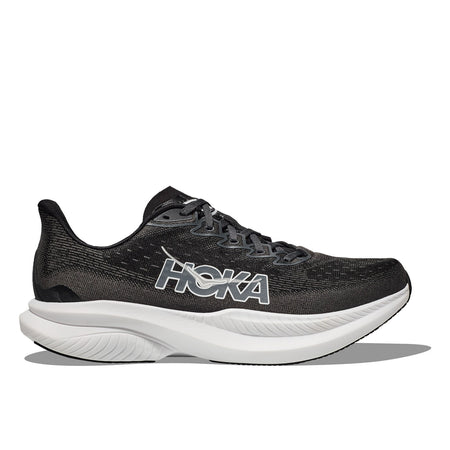
Hoka Mach 6
Choose the Glycerin Flex for more cushion underfoot with strong flexibility. Choose the Mach 6 for a leaner, lighter daily trainer with the Hoka early-stage Meta-Rocker and supercritical foam.
Compare Hoka Mach 6 →
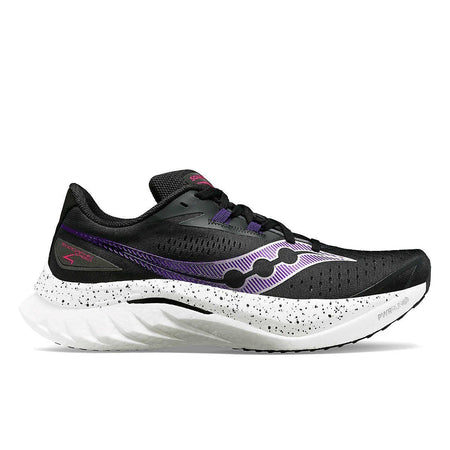
Saucony Endorphin Speed 4
Choose the Glycerin Flex for a flexibility-focused Brooks daily trainer with deep flex grooves. Choose the Endorphin Speed 4 for a nylon-plate tempo trainer with PWRRUN PB foam when you want propulsion instead of bend.
Compare Saucony Endorphin Speed 4 →

Buyer's guide
Read our running shoes guide
A clear framework for picking running shoes by surface, cushion, drop, stability, and fit.
Read the guide