


Altra
Experience Wild 3 Running Shoe – Men's
$150.00
Free shipping
Free shipping on orders over $60
In-store pickup · Check our 4 Memphis-area stores
30-day returns, even if you've run in them
The Grivet Take
The Experience Wild 3 is Altra's hybrid road-to-trail shoe with a 4mm drop, designed for runners who want Altra's wide forefoot fit on mixed surfaces without committing to zero-drop. EGO P35 foam reads softer than older Altra trail foams; MaxTrac outsole grips wet and dry trails; the new toe guard adds real protection for rocky descents. Best for daily trail training, mixed-terrain running, and customers who want Altra's wide forefoot fit on trails with some heel-to-toe drop. Skip it for race-day trail use (the Endorphin Edge is the answer) or runners committed to zero-drop (Lone Peak 9 remains the right answer). The toe guard is effective but noticeable; sensitive customers should size up half if it presses on toes during steep descents.
Fit & Feel snapshot
Fit
LengthHow the shoe fits compared with true-to-size expectations.
True to size
Toe box widthHow much side-to-side room the shoe has across the front of the foot.5 of 5
NarrowWide
Toe box volumeHow much vertical room the shoe has above the toes.4 of 5
LowHigh
MidfootHow snug or roomy the shoe feels through the arch and laces.3 of 5
SnugRoomy
Heel holdHow securely the back of the shoe holds the heel.4 of 5
LooseLocked
Ride
CushionHow much material sits underfoot. This is about amount of cushioning, not how soft it feels.4 of 5
MinimalMaximal
SoftnessHow soft or firm the cushioning feels underfoot.3 of 5
FirmPlush
RockerHow much the shoe's shape rolls you forward through the step.3 of 5
FlatAggressive
ResponsivenessHow much pop or energy return the shoe feels like it gives back.3 of 5
DeadBouncy
Support
Support TypeSupport Type describes how much built-in guidance the shoe has. Neutral shoes do not add support structure. Stability shoes use geometry, rails, firmer foam, or frame designs to create a more guided feel. Motion control shoes are the maximum-support category and are rare in modern running.
Neutral
Stability
Motion Control
No added support structure
PlatformPlatform describes the width and shape of the shoe's base underfoot. A wider platform can feel steadier even when the shoe is neutral. This is separate from Support Type.
Standard platform
How it fits
Altra's Standard FootShape toe box runs notably wider than other brands' standard fits. The accommodating fit has slightly lower volume than older Wild generations but plenty of forefoot width. Standard (D) width because the FootShape platform inherently fits wider feet. The toe guard in v3 is the most noticeable upper change; on steep descents the foot can push against it, so sensitive customers should consider sizing up half a size.
How it feels
Light, smooth, peppy. EGO P35 foam reads softer than older Altra trail foams, with responsive energy return that handles both fire-road steady efforts and technical singletrack. Rocker geometry rolls the foot forward; flexibility is moderate. The 4mm drop is approachable for trail runners coming from non-Altra brands. MaxTrac outsole grips well on wet and dry trails; gaiter attachments allow customers to keep debris out during rough trail days.
Quick specs
- Category
- Long run trainer
- Surface
- Smooth trail · Mixed terrain · Technical trail · Road plus light trail
- Heel stackHow much shoe sits between your foot and the ground.
- 33.0 mm
- Forefoot stack
- 29.0 mm
- DropThe difference between heel height and forefoot height, measured in millimeters.
- 4.0 mm
- Weight (men's 9)
- 9.8 oz · 278 g
- CushionHow much material sits underfoot. This is about amount of cushioning, not how soft it feels.
- 4 / 5
- Support TypeSupport Type describes how much built-in guidance the shoe has. Neutral shoes do not add support structure. Stability shoes use geometry, rails, firmer foam, or frame designs to create a more guided feel. Motion control shoes are the maximum-support category and are rare in modern running.
- Neutral
- PlatformPlatform describes the width and shape of the shoe's base underfoot. A wider platform can feel steadier even when the shoe is neutral. This is separate from Support Type.
- Standard platform
- Midsole
- Altra EGO P35
- Outsole
- MaxTrac rubber
- PlateA stiff layer, usually carbon, nylon, or TPU, built into some shoes to add structure, snap, or propulsion.
- No
- WidthsThe width options this shoe is made in. Actual availability depends on current inventory.
- D
Tech, translated
Altra EGO P35 midsole: Altra's softer performance EVA, the same foam used in the Experience Flow 3 road shoe and Experience Form. Tuned in the Wild 3 for trail use with slightly firmer feel for stability on uneven terrain.
MaxTrac outsole: Altra's trail-grade rubber compound and lug pattern, effective on wet and dry trails. Aggressive enough for moderately technical terrain.
Standard FootShape toe box: wider than non-Altra trail shoes, allowing toes to splay naturally. Less roomy than Altra's Original FootShape (Lone Peak/Olympus) but still notably wide.
4mm drop: Altra's bridge between zero-drop trail shoes and traditional trail-shoe drops.
Toe guard and gaiter attachments: v3-specific upgrades for trail readiness. The toe guard provides real protection for rocky descents; gaiter attachments accommodate gaiters during snow or rough-trail days.
What changed from the previous version
The Experience Wild 3 keeps the v2 platform and adds detail improvements: a toe guard for trail protection on rocky descents, gaiter attachments built into the upper, and EGO P35 foam tuning that softens the road feel slightly while keeping the trail capability. Stack stays in the 33/29mm range with the 4mm drop and FootShape toe box. v2 fans should find v3 a clear upgrade in trail-specific protection.
Frequently asked
Does the Altra Experience Wild 3 run true to size?
True to size for most runners, with one important caveat: the v3 toe guard can press on toes during steep descents, so customers with sensitive toes should consider sizing up half a size. Altra's Standard FootShape toe box runs notably wider than other brands' standard fits, accommodating wider forefeet without going sloppy. Standard (D) width only because the FootShape platform inherently fits wider feet.
How does the Altra Experience Wild 3 compare to the Saucony Peregrine 16?
Both are 4mm-drop trail trainers, but they target different priorities. The Experience Wild 3 brings Altra's signature FootShape wide toe box, EGO P35 softer foam, and MaxTrac outsole; ideal for road-to-trail crossover and runners who want the wider Altra fit on mixed surfaces. The Peregrine 16 has Saucony's premium Vibram Megagrip outsole, slightly more cushion (32/28 vs Wild 3's 33/29), and a rock plate; better for technical trail running and wet-rock conditions. Choose the Experience Wild 3 for Altra fit and mixed-surface running. Choose the Peregrine 16 for technical trail with premium grip.
Is the Altra Experience Wild 3 firm or soft underfoot?
Medium and notably responsive for the trail category. EGO P35 foam reads softer than older Altra trail foams while keeping the stability needed for uneven terrain. The 33/29 stack provides real protection without crossing into max-cushion territory. Customers wanting plusher trail feel should look at the Speedgoat 6 or Olympus; customers wanting firmer, more grounded trail feel should look at the Lone Peak 9.
Is the Altra Experience Wild 3 good for rocky or technical trails?
Capable for moderately technical trails, with the v3 toe guard adding real protection for rocky descents. MaxTrac outsole grips well on dry trail and packed surfaces; the lug pattern handles loose dirt and moderate mud. Where it's outclassed is sustained wet rock, where premium rubber compounds like Vibram Megagrip on the Speedgoat 6 or Peregrine 16 grip better. The Experience Wild 3 is best on smooth-to-moderately-technical trails; for serious technical or wet-rock terrain, more grippy alternatives are the better answer.
Compare it toSimilar shoes or common alternatives, with the key fit and ride differences called out.

Saucony Peregrine 16
Choose the Experience Wild 3 if you want Altra's wider FootShape toe box and a road-to-trail crossover. Choose the Peregrine 16 if you want Vibram Megagrip premium grip on technical trails.
Compare Saucony Peregrine 16 →
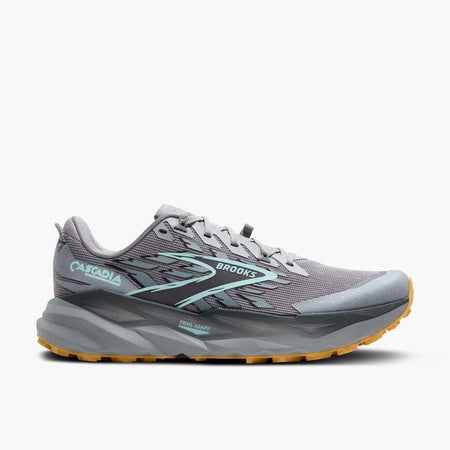
Brooks Cascadia 19
Choose the Experience Wild 3 if you want Altra's wide forefoot and 4mm low drop. Choose the Cascadia 19 if you want Brooks's articulated rock plate and a more traditional trail-shoe geometry.
Compare Brooks Cascadia 19 →
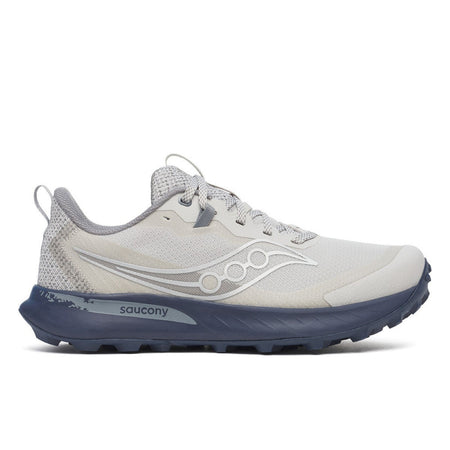
Saucony Peregrine 15
Choose the Experience Wild 3 for Altra's wide forefoot fit. Choose the Peregrine 15 for the previous-generation Saucony all-mountain shoe at potential closeout pricing.
Compare Saucony Peregrine 15 →
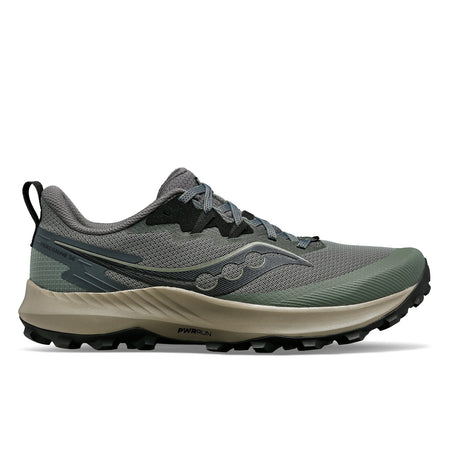
Saucony Peregrine 14
Choose the Experience Wild 3 if you want a wider forefoot at 4mm drop. Choose the Peregrine 14 for an older Saucony trail option at lower stack and price.
Compare Saucony Peregrine 14 →

Buyer's guide
Read our trail running shoes guide
Lugs, rock plates, stack height, and fit for everything from gravel to technical singletrack.
Read the guide