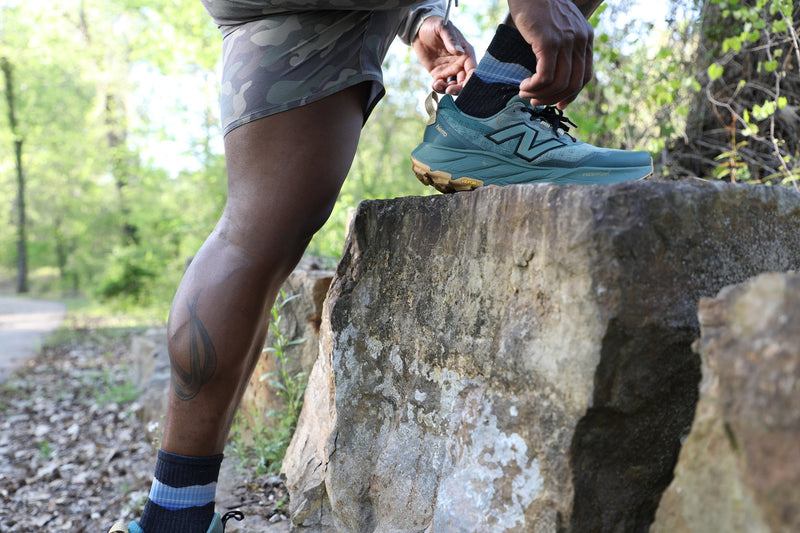
The winter hiking rule that changes everything: dress a little uncomfortable for the first 10 minutes.
If you’re perfectly warm standing at the trailhead, you’ll probably be too hot once you start climbing.
Aim to feel slightly cool when you start. Your body heat will catch up fast.
The 3-layer system (simple, reliable, repeataStore Employeesble)
1) Base layer: manage sweat
Your base layer’s job is to pull moisture off your skin so you don’t get chilled when you slow down. A Smartwool Merino base layer is a winter staple because it’s comfortable across changing temps.
- Merino wool helps regulate temperature
- Odor resistance for longer days (or back-to-back outings)
- Soft feel that works well for sensitive skin
2) Midlayer: trap heat
This is your warmth layer. It should insulate without turning you into a furnace. The Patagonia Nano Puff is a classic midlayer for good reason.
- Lightweight insulation for warmth without bulk
- Packable for easy stashing when you heat up
- Wind-resistant shell for exposed sections of trail
3) Shell: block wind + precipitation
Your shell is your weather insurance. Even on dry days, wind can steal heat quickly. The Outdoor Research Helium Rain Jacket is an easy “bring it every time” shell. It has lightweight rain protection for surprise weather, packable enough for a small daypack, and has simple coverage that layers well over insulation.
Don’t forget your extremities (the fastest way to ruin a hike)
Hands, feet, and head lose heat quickly. The good news: small items make a big difference.
Feet: warm + dry beats thick
Thick socks aren’t always warmer if they crowd your boots and cut off circulation.
Smartwool hiking socks are a strong winter choice because they balance warmth and comfort.
Head: bring a beanie even if it “doesn’t feel that cold”
A simple beanie can be the difference between comfortable and miserable when the wind picks up.
Many North Face beanies are a low-effort, high-impact add-on.
- Warmth for minimal weight
- Easy to stash in a pocket when you heat up
- Comfortable fit under hoods
What to pack for a winter day hike (the “no regrets” list)
Keep it tight and practical:
- Water (insulated bottle if it’s very cold)
- Snacks you can eat with gloves on
- A dry layer (extra socks or a spare base top)
- Headlamp (winter days get short)
- Small first-aid basics + blister care
If you’re hiking new trails or chasing daylight, a Garmin watch can be a surprisingly useful safety tool that can help you be aware of your paces, and stay oriented with its GPS and activity tracking.
A quick pre-hike checklist (60 seconds)
Before you leave:
1. Check wind + precipitation (not just temperature).
2. Choose your base + mid + shell.
3. Pack one “dry backup” item.
4. Set a turnaround time.
Want help building your winter hiking setup?
If you’re not sure what layers make sense for your pace, your local weather, and your comfort level, our team can help you dial it in.
Find us at any of our EIGHT locations:
Cooper-Young, Memphis – Our outlet store, with big savings on last season’s top sellers
Three additional Memphis-area locations for convenient shopping on the newest styles
Three Bink's Outfitters locations around Nashville
And our new Cumberland Transit location in downtown Nashville.
Stop by any of our stores and let's start planning your next outdoor adventure. Having the right gear helps you focus on making those memories instead of worrying about staying comfortable.